
Chinese scallion
Allium chinense x Allium fistulosum
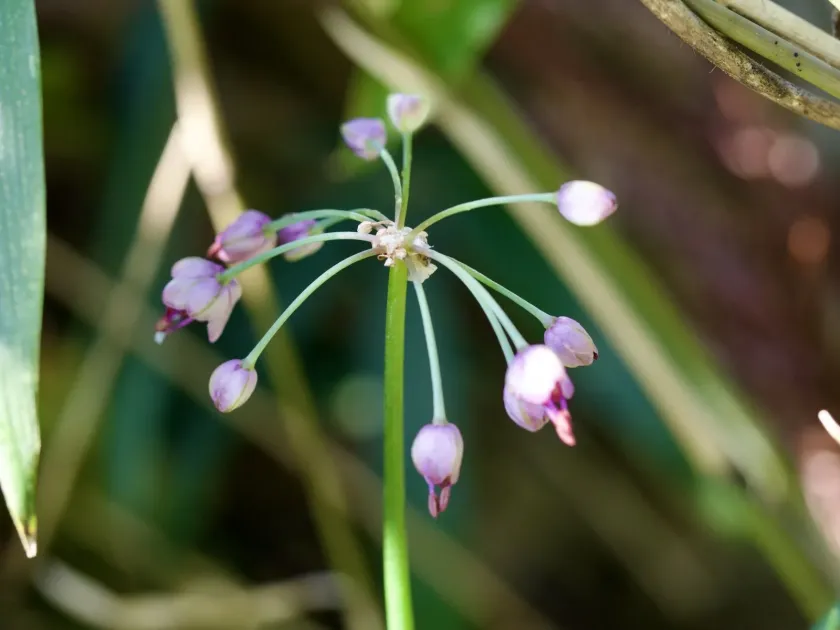
Description
Sowing dates
Chinese scallion (Allium chinense), belonging to the Amaryllidaceae family, is predominantly propagated vegetatively by dividing bulb clusters, as seed set is often limited in cultivated forms.
The optimal planting time for bulbs is early spring, once the soil has warmed to 5–8 degrees Celsius, which promotes rapid root development and establishment.
Autumn planting is also possible, provided it is done at least 3–4 weeks before the ground freezes, allowing the bulbs to settle without initiating active vegetative growth.
When using seeds, sowing should be done in indoor trays in late February to produce healthy seedlings suitable for transplanting into the open field.
Spacing guidelines involve 30–40 cm between rows and 10–15 cm between plants, ensuring sufficient room for the bulb clusters to expand properly.
Growing requirements
This crop thrives in well-lit locations with fertile, well-drained, sandy loam soils that possess a neutral or slightly acidic pH level.
While adaptable to various climates, the plant performs best in moderate temperatures ranging from 18 to 25 degrees Celsius for active development.
Adequate water supply is crucial, particularly during the vegetative phase and the period when the bulbs are actively swelling in the soil.
Proper drainage is essential; the crop is highly susceptible to root rot if water stagnation occurs, especially in clay-heavy or poorly structured soils.
Regular cultivation and weeding are necessary to reduce competition for nutrients, as Chinese scallion does not tolerate significant pressure from invasive weeds.
Yield
Yield potential is heavily influenced by soil nutrient levels, especially the presence of organic matter, and consistent moisture management throughout the season.
Chinese scallion is highly valued for its ability to produce early spring greens, which adds economic value to the production cycle of a vegetable farm.
Under optimal management conditions, growers can expect yields ranging from 1.5 to 3 kg per square meter, depending on planting density and soil fertility.
Applying balanced NPK fertilizers during the early growth stage significantly boosts the development of both the green foliage and the bulbs.
Peak productivity is generally achieved during the second and third years of growth, as the bulb cluster reaches its maximum size and vitality.
Main diseases and pests
The crop is vulnerable to fungal diseases such as downy mildew and fusarium wilt, which often proliferate under high humidity and poor aeration conditions.
Common pests include onion flies and thrips, which can inflict significant damage to both the foliage and the bulbs, necessitating proactive monitoring.
Effective pest management relies on crop rotation, avoiding monocultures, and using bio-based insecticides to keep populations below economic injury levels.
Bacterial soft rot can occur in storage or in the field if plants are damaged or exposed to excessively wet conditions, making sanitation highly important.
Preventive measures like disinfecting bulb materials before planting and ensuring proper drying post-harvest are critical for minimizing losses.
Harvesting
Harvesting for fresh greens can begin once the plants reach 25–30 cm in height, allowing for partial harvesting throughout the growing season.
For bulb production, harvest should take place once the foliage has yellowed and withered, indicating that the bulb has reached maturity and proper density.
Post-harvest, the bulbs must be dried in a well-ventilated, shaded area for 7–10 days to ensure the outer skins are properly cured for long-term storage.
Cleaned and cured bulbs should be stored in cool, dry conditions with adequate air circulation to prevent sprouting and fungal spoilage over the winter months.
Grading by size is a recommended practice to improve marketability and allow for more uniform storage conditions within a single container.