
Chinese onion
Allium chinense G. Don x Allium virgunculae F. Maek. & Kitam. var. kiiense Murata
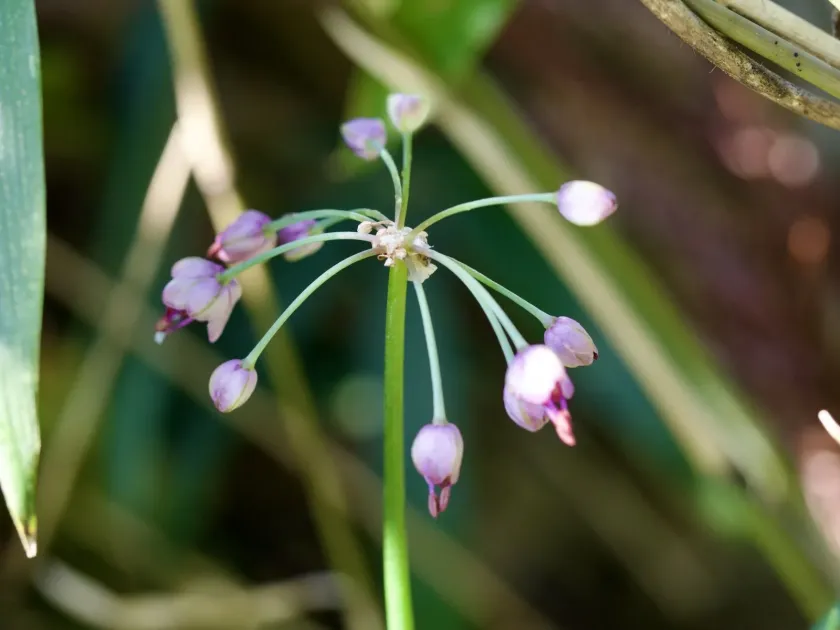
Description
Sowing dates
The Chinese onion, also known as Rakkyo, is a perennial plant of the Amaryllidaceae family. For high-quality yields in temperate climates, planting should take place in early spring as soon as the soil warms to 8–10 degrees Celsius.
Propagation is primarily carried out vegetatively by dividing the bulb clusters. The bulbs should be planted at a depth of 5–7 centimeters with an interval of approximately 15 centimeters between plants to provide sufficient growing space.
While seed propagation is possible, it is less common due to a longer growing period and lower efficiency compared to vegetative division. When using seeds, start them in a greenhouse as transplants before moving them to the permanent garden bed.
The best time for dividing and replanting bulbs coincides with the end of the dormancy period. In warmer regions, late-autumn planting is an option, allowing the bulbs to establish root systems before the onset of winter dormancy.
Planting density is crucial for bulb size. A spacing of 20 by 20 centimeters is recommended for commercial purposes, which minimizes competition for nutrients and ensures a uniform and high-quality product harvest.
Growing requirements
This crop prefers sunny locations protected from strong, cold winds. Chinese onion has moderate cold tolerance, but in areas with harsh winters, it is beneficial to apply mulch to protect the soil surface from freezing.
Preferred soil types are light and well-draining, such as sandy loams or fertile loam soils with a neutral to slightly acidic pH. Avoiding water stagnation is critical, as the root system is highly sensitive to excessive moisture.
Regular but moderate irrigation is essential during the active vegetative growth phase. However, excessive moisture during the bulb maturity phase should be avoided to prevent basal rot and ensure better shelf life after harvest.
Successful growth requires balanced fertilization with an emphasis on phosphorus and potassium to support bulb development. Nitrogen applications should be limited to the early growth phase to prevent excessive leaf growth at the expense of bulbs.
The crop responds very well to organic matter. Incorporating well-rotted compost before planting significantly improves soil structure, enhances moisture retention, and provides essential micronutrients for the growing plants.
Yield
Yield depends heavily on management intensity, soil fertility, and specific cultivar traits. With proper agronomic care, one can expect to harvest between 1.5 and 3 kilograms of marketable bulbs per square meter.
Intensive farming systems utilizing drip irrigation and fertigation can boost yields by 20–30 percent. Timely weeding is a critical factor in preventing yield losses due to competition for resources and light.
In commercial operations, marketability is determined by bulb diameter and the density of the outer scales. Well-formed clusters with tight, healthy skins are preferred for their superior transportability and aesthetic appeal.
The harvest is used in various culinary applications, including fresh, pickled, or dried forms. Its distinct pungent flavor is highly regarded in Asian cuisine as an accompaniment to meat and fish dishes.
To increase commercial output, some growers use black landscape fabric or plastic mulch, which effectively suppresses weed growth and maintains a stable soil temperature and moisture level in the root zone.
Main diseases and pests
The primary diseases affecting Chinese onions are fungal infections, often triggered by poor water management. Downy mildew and various types of basal rot are the most common issues, particularly in heavy or waterlogged soils.
Pests that threaten the crop include the onion maggot and thrips. Onion maggots damage the underground parts of the plant, often leading to plant death and creating pathways for secondary bacterial infections to take hold.
Integrated pest management, including the use of biological agents or systemic insecticides, is recommended. Regular monitoring of the field during peak insect activity periods is vital for timely intervention and damage control.
Strict crop rotation is the best preventive measure against the buildup of soil-borne pathogens. It is recommended to avoid planting onions in the same location for at least 3–4 years to keep the infection pressure low.
If viral symptoms such as leaf mosaic patterns appear, the infected plants must be removed immediately. Prompt rogueing of diseased plants is essential to prevent the spread of viruses by sap-sucking insects.
Harvesting
Harvesting should occur once the foliage has yellowed and lodged, indicating the bulbs have reached maturity. This typically happens in late summer when the bulbs have achieved their target size and developed firm protective scales.
The harvest process is conducted by lifting the bulbs with forks or mechanical harvesters. It is critical to avoid mechanical injury during this phase, as any damage to the bulb skin can provide entry for decay-causing fungi.
After lifting, the harvest requires curing in a well-ventilated, shaded area. This process lasts for 7–10 days until the bulb neck is completely dry, which is essential for ensuring long-term storage viability.
Once cured, the bulbs should be sorted to remove any damaged or diseased specimens. Small bulbs can be set aside for replanting in the upcoming season, while larger bulbs are prepared for the market.
For storage, keep the onions in a cool, dry place with excellent air circulation at temperatures between 0–5 degrees Celsius. Properly cured Chinese onions can maintain their quality and flavor for 4–6 months.