
Chinese onion
Allium chinense G. Don x Allium thunbergii G. Don
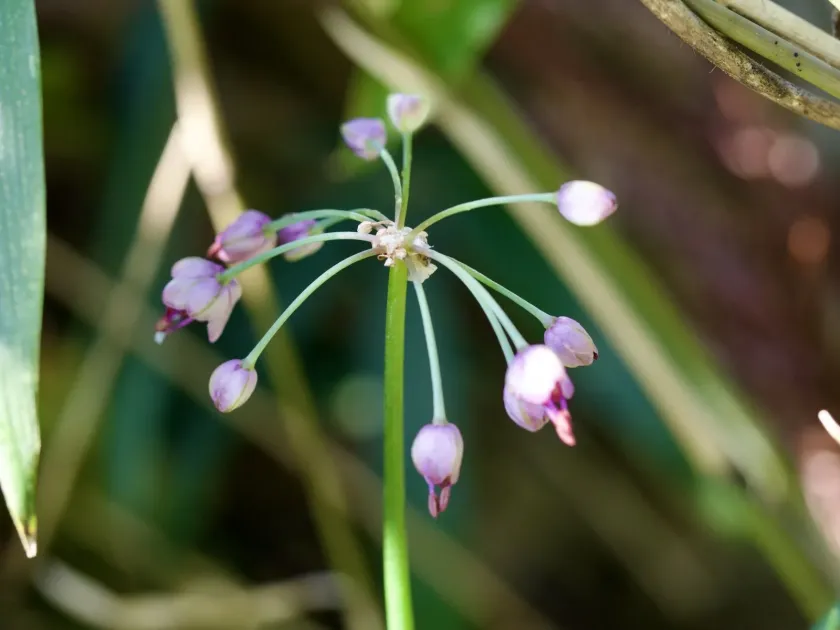
Description
Sowing dates
The Chinese onion, scientifically known as Allium chinense (often associated with Allium thunbergii), is a perennial plant of the Amaryllidaceae family. It is widely cultivated for its edible bulbs and leaves, commonly used in East Asian cuisine.
For best results, seeds should be sown in early spring once soil temperatures reach at least 8–10 degrees Celsius. In regions with shorter growing seasons, starting plants from seed trays indoors 6 weeks before the last frost is highly recommended.
Vegetative propagation via bulbils is the most reliable method for home gardeners. Bulbs should be planted in well-drained soil during the autumn or early spring at a depth of 3–5 cm, with a spacing of 10–15 cm between plants.
Seeds require consistent moisture to germinate, as they have a relatively slow initial growth phase. Once established, they form dense clusters that can be divided every few years to maintain vigorous production.
Preparing the seedbed with well-rotted compost will provide the necessary nutrients for young plants. Ensure the soil is fine-textured to allow for easy root penetration and bulb expansion during the summer months.
Growing requirements
Chinese onion thrives in full sunlight, which is critical for bulb development and flavor intensity. Partial shade may lead to stunted growth and lower yields, making an open, sunny site the best choice.
The soil must be light, sandy-loam, and fertile. Heavy clay soils are generally unsuitable unless amended, as they retain too much moisture and can lead to root rot. Drainage is the most important factor for success.
A soil pH between 6.0 and 7.0 is ideal. If the soil is too acidic, lime application is recommended. The plant is moderately drought-tolerant but performs best when moisture is applied consistently during the active growing phase.
Temperature-wise, these plants enjoy mild to warm conditions. They are quite hardy, but excessive heat during the peak of summer may trigger dormancy. Maintaining a cool root zone through mulching can help manage temperature fluctuations.
Regular weeding is essential as Chinese onions do not compete well with vigorous weeds. Frequent but shallow cultivation helps to keep the soil surface aerated without damaging the developing root system.
Yield
Yield potential is high when plants are spaced correctly and provided with adequate fertility. Regular division of clumps not only promotes new growth but also ensures a steady supply of both leaves and bulbs.
Leaves can be harvested periodically throughout the growing season. Use a sharp knife to cut them 2–3 cm above the bulb base, allowing the plant to regenerate. Avoid over-harvesting leaves if your primary goal is bulb production.
For bulb harvests, wait until the foliage naturally dies back in the late summer or early autumn. This signals that the nutrients have fully transferred into the bulbs, ensuring maximum flavor and storage life.
Proper nutrient management, particularly with phosphorus and potassium, significantly boosts the size and quality of the bulbs. Avoid excessive nitrogen applications late in the season, as this can lead to watery bulbs that store poorly.
Expect an average yield of 1.5 to 3 kg per square meter under good cultivation practices. Success is measured by the firm texture and characteristic pungent aroma of the harvested bulbs.
Main diseases and pests
The onion maggot and thrips are the primary insect threats. Onion maggots can devastate a crop by tunneling into the base of the plant, often causing sudden wilting and total bulb decay.
Fungal issues, such as downy mildew and fusarium rot, are common in humid climates. To prevent these, ensure good air circulation by avoiding overcrowding and water only at the base of the plant rather than overhead.
Integrated pest management, including crop rotation and the use of physical barriers like row covers, is highly effective. If infestations occur, treat with targeted organic pesticides as early as possible.
Soil-borne diseases can be managed by ensuring the soil rests for at least 3 years between planting Allium species in the same spot. This simple cultural practice reduces the buildup of harmful pathogens.
- Crop rotation strategy
- Good ventilation for planting sites
- Early removal of infected plants
- Consistent soil moisture monitoring
Harvesting
The harvest phase begins when foliage turns yellow and starts to collapse. This typically occurs in late summer, depending on the planting date and regional weather conditions.
Carefully dig the bulbs using a garden fork to avoid slicing or bruising them. Damaged bulbs are highly susceptible to spoilage during storage, so handle them with extreme care during the extraction process.
Allow the bulbs to cure in a dry, shaded area with plenty of airflow for about one to two weeks. The skin should become papery and the neck must be completely dry before moving to storage.
Once cured, trim the roots and foliage, leaving a short stem stub of about 2 cm. Sort the bulbs by size and discard any that show signs of soft spots or disease to protect the rest of the stash.
Store in a cool, dark, and well-ventilated location, such as a mesh bag or wooden crate. Proper storage conditions allow the bulbs to stay fresh and usable for several months through the winter.