
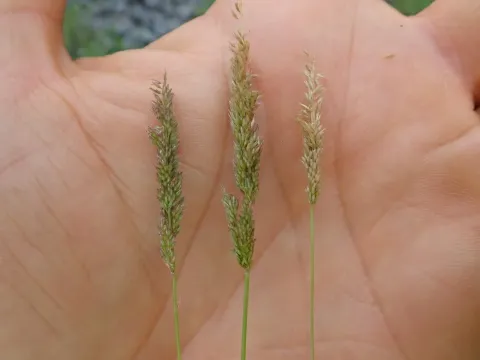
Agropogon
Agropogon
Agropogon is a fascinating intergeneric hybrid resulting from the natural or artificial crossing of species from the Agrostis (bentgrass) and Polypogon (beard grass) genera. Belonging to the Poaceae family, this grass exhibits unique morphological characteristics derived from both parents.
What the section contains

Agropogon
The optimal sowing time for Agropogon is during the early spring season when soil temperatures reach stable levels between 8 and 12 degrees Celsius. Shallow sowing is strictly recommended due to the small size of the seeds, ensuring they are placed at a depth of no more than 1.5 centimeters.
This crop thrives in temperate climates, showing a preference for regions with evenly distributed rainfall throughout the growing season. It performs best in areas where summers are not excessively hot or arid, allowing the plant to maintain active growth without undergoing drought stress.
Agropogon prefers fertile, well-drained loamy soils. While it can adapt to various soil types, waterlogged conditions should be strictly avoided as they impede root development and increase susceptibility to soil-borne pathogens.
Agronomic management requires balanced fertilization, focusing on nitrogen application to encourage vigorous leaf production and tiller formation. Regular mowing or light grazing helps maintain the vigor of the stand and prevents the encroachment of invasive weed species.
Agropogon is primarily utilized in forage production, where it contributes to the high quality of permanent pastures. Its leaves are tender and nutrient-rich, making it a valuable component for livestock feeding, especially in cool-season grazing systems.
The yield potential of Agropogon is highly responsive to moisture availability. Under optimal management conditions, including supplementary irrigation, the crop can provide consistent biomass production across multiple harvests throughout the season.
Disease management is a key aspect of growing Agropogon, as it can be susceptible to common grass diseases like rust and powdery mildew under humid conditions. Providing adequate airflow and avoiding dense planting helps mitigate these risks.
In terms of pest pressure, aphids and various grass-feeding larvae can cause damage to the foliage and stems. Monitoring the crop during the early stages of growth is essential to apply timely interventions and protect the plant's yield capacity.
The harvesting process should be executed during the boot stage to ensure the highest ratio of protein to fiber in the harvested forage. Proper post-harvest handling ensures that the biomass retains its nutritional quality for animal consumption.