
Coastal Agropogon
Agropogon littoralis
Description
Growing requirements
Coastal Agropogon (Agropogon littoralis) is a perennial grass species belonging to the Poaceae family. It is recognized as a natural intergeneric hybrid between Polypogon monspeliensis and Agrostis stolonifera, inheriting physiological traits from both parent genera.
The plant is specifically adapted to coastal environments, thriving in moist, saline, or brackish soils. Its natural distribution includes estuaries, marshes, and seaside meadows, where it plays a critical role in the local vegetation structure by tolerating environmental stresses that limit other species.
Regarding cultivation requirements, this grass demands high moisture availability. While it prefers saline soils, it performs best in habitats with consistent hydration. It is not typically grown as a cash crop but is highly valued for environmental engineering projects, particularly in sensitive coastal zones.
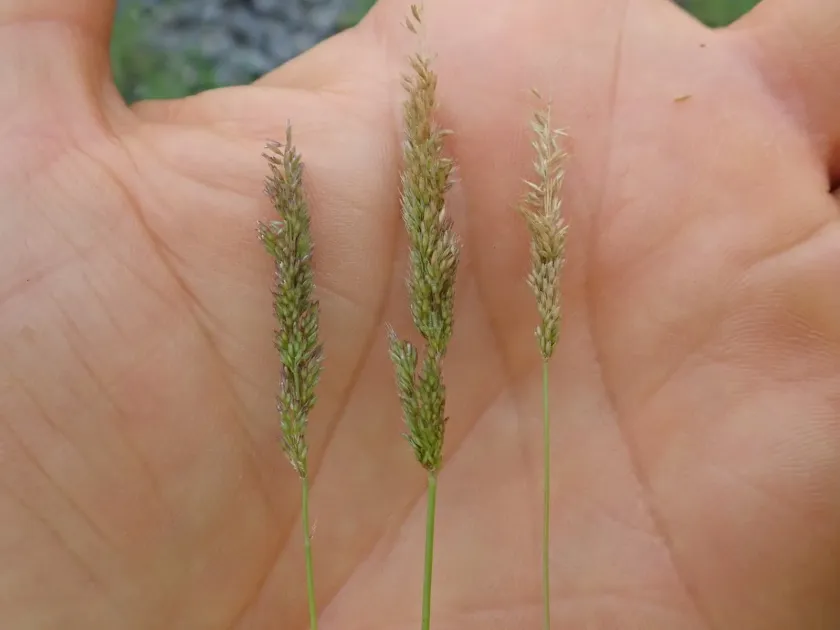
The botanical structure of Agropogon littoralis includes fine, leafy stems and characteristic panicles that demonstrate high wind resistance. The root architecture is efficient at binding soil particles, which helps in preventing erosion in unstable, sandy, or muddy coastal regions.
Its primary economic use is centered on phytoremediation and land stabilization. By planting this species, land managers can effectively reinforce shorelines and rehabilitate saline soil surfaces, contributing to the stabilization of ecosystems and prevention of topsoil erosion in coastal areas.