
Agathosma ovata
Agathosma ovata
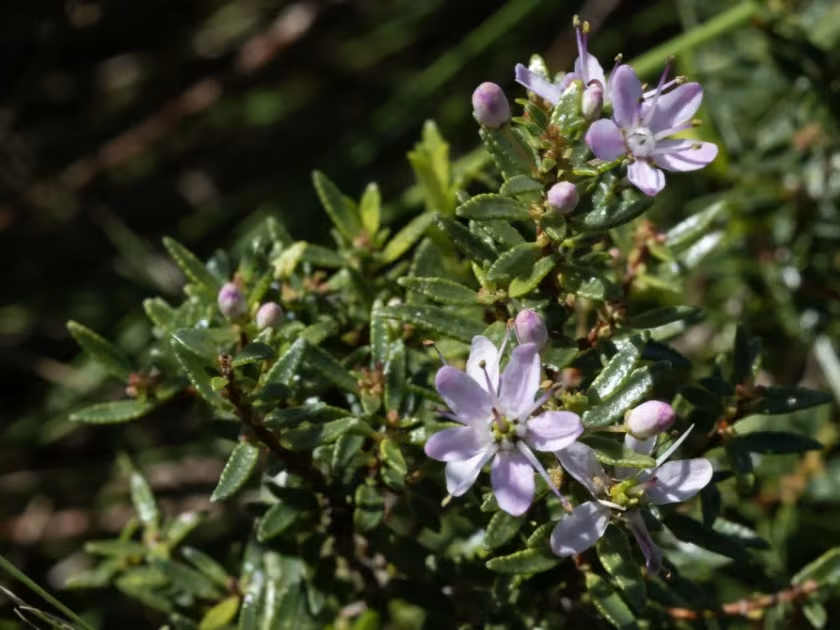
Description
Growing requirements
Agathosma ovata is an evergreen shrub belonging to the Rutaceae family. Native to the Western Cape region of South Africa, it is a key representative of the Buchu group, known for its distinctive aromatic leaves and specific ecological requirements.
The plant thrives in well-drained, sandy or loamy soils with a slightly acidic to neutral pH. Proper soil structure is critical for this species, as stagnant moisture quickly leads to root rot, which is a major limiting factor for successful cultivation.
Climatically, Agathosma ovata prefers a Mediterranean-style environment with mild, wet winters and warm, dry summers. It requires full sunlight exposure to ensure optimal development and to stimulate the synthesis of essential oils in the glandular trichomes on the leaves.
Agrotechnical practices involve careful irrigation management to mimic the seasonal rainfall patterns of its natural habitat. During the active growing season, consistent moisture is necessary, whereas during the dormant period, irrigation should be significantly reduced.
Fertilization should be handled with caution, focusing on maintaining soil balance rather than over-stimulating growth. Excessive nitrogen application can lead to lush but weak foliage, making the plants more susceptible to environmental stress and pests.
Harvesting
The primary economic value of Agathosma ovata lies in its essential oil, which is extracted from the leaves. Harvesting is typically conducted when the plant is in full bloom, which is the time of peak concentration of bioactive compounds, including diosphenol.
Harvesting involves pruning the top foliage of the shrub. This technique not only collects the valuable material but also helps maintain the plant's structural integrity, encouraging bushier growth and sustained productivity in subsequent years.
Once harvested, the plant material must be dried in shaded, well-ventilated conditions. Rapid or high-temperature drying must be avoided to prevent the loss of volatile aromatic components, which are highly sensitive to thermal degradation.
In industry, the dried leaves are used in the production of herbal medicines, specifically for their diuretic and antiseptic properties. The essential oil is also highly prized in the fragrance industry, where it contributes unique notes to luxury perfumes.
Post-harvest processing often involves steam distillation to isolate the essential oil. The refined product is then stored under controlled conditions to maintain its chemical profile and therapeutic quality for export or domestic pharmaceutical use.