
Buchu
Agathosma betulina
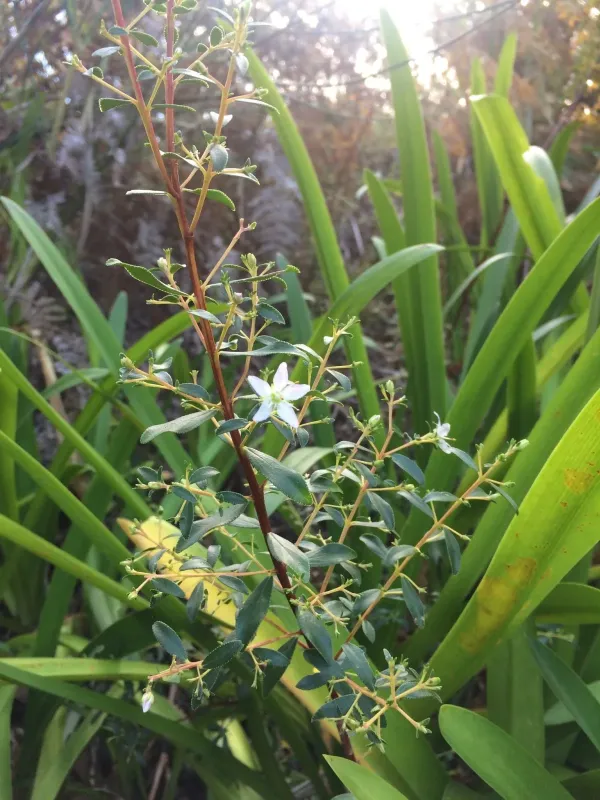
Description
Sowing dates
Propagation of Agathosma betulina is primarily achieved through seeds sown in nurseries. Given the species' sensitivity to root disturbance, using biodegradable pots or trays is recommended for initial growth.
The optimal sowing time is early spring, which coincides with the natural growth cycle of the plant. A well-draining, acidic substrate is crucial for successful seed germination.
Seedlings require a steady, mild temperature environment to thrive during their early stages. Avoiding extreme temperatures and maintaining consistent moisture levels are key to successful early development.
Transplanting into the field should occur only after the risk of frost has passed. Hardening off the seedlings before moving them to outdoor conditions is essential for their long-term survival.
While cutting propagation is also possible, it requires controlled conditions and rooting hormones to ensure successful strikes, making seed propagation the preferred method for large-scale operations.
Growing requirements
Buchu originates from the Cape region of South Africa, meaning it thrives in a Mediterranean-style climate. It requires a sunny, open location to maximize the production of its therapeutic essential oils.
The plant demands extremely well-draining, acidic soil. Poorly drained soils are a death sentence for this shrub, as it is highly susceptible to root rot in waterlogged conditions.
In terms of climate, it prefers mild, wet winters and dry, warm summers. While it can tolerate some drought once established, regular irrigation during dry spells is beneficial for biomass production.
Nutrient requirements are relatively low; over-fertilization, especially with phosphorus, can be detrimental to the plant's health and the quality of its volatile oil composition.
Providing adequate spacing between plants is important to ensure good airflow, which is a major factor in preventing the spread of diseases common to this species in cultivation.
Yield
The primary yield from Agathosma betulina is its aromatic leaves, which are harvested for the international pharmaceutical and flavor industries for their distinctive scent and medicinal properties.
The economic yield is measured by the concentration of essential oils, specifically diosphenol, which gives the leaves their characteristic blackcurrant-like aroma.
Sustainable harvesting allows for multi-year production from the same plants. Properly managed bushes can remain productive for several years if harvesting techniques do not harm the main structural wood.
Yields increase significantly once the bush has reached maturity, typically after three to four years of consistent growth. Careful pruning can help maintain both the health and productivity of the shrub.
Post-harvest processing, such as careful drying, is critical to maintaining the value of the yield. High-quality dry leaves command premium prices on the global herbal market.
Main diseases and pests
The most significant threats to Buchu are soil-borne pathogens, particularly Phytophthora species, which thrive in wet, poorly drained environments and attack the root system.
Pests like aphids and spider mites can infest the foliage, particularly during periods of environmental stress. Integrated pest management strategies are often required to control these populations.
Powdery mildew may occur if the planting density is too high, preventing adequate air circulation around the canopy. Early detection and thinning are the best defense against fungal leaf spots.
Nematodes are another hidden threat that can impede root development. Soil sterilization prior to planting is a standard practice in commercial cultivation to minimize this risk.
The use of chemical fungicides and insecticides should be carefully controlled or avoided entirely to ensure that the harvested leaves meet strict organic and purity standards for export.
Harvesting
Harvesting is typically done by hand, using sharp shears to carefully remove the tips of the branches. This method ensures that the plant is not damaged, allowing it to recover quickly.
The timing of the harvest is critical; it should be done just before the plant enters its full flowering phase to maximize the concentration of the essential oils within the leaves.
Immediately after cutting, the material should be transported to a drying shed. The leaves must be dried in the shade to prevent the degradation of volatile compounds by direct sunlight.
Once dried, the leaves are often sifted or cleaned to remove stems and impurities. This final processing step determines the grade of the product and its subsequent market value.
Proper storage is the final step, involving airtight containers kept in cool, dark environments to preserve the integrity and aromatic profile of the Buchu leaves for as long as possible.