
Adoxa
Adoxa
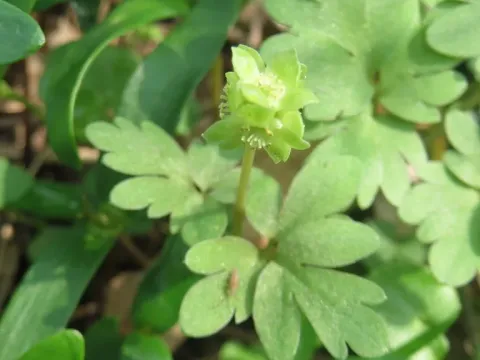
Adoxa moschatellina is a perennial herbaceous plant belonging to the small Adoxaceae family. It is a typical representative of forest flora, commonly found in shaded and moist areas beneath the tree canopy.
What the section contains

Adoxa
The plant has a diverse origin and a wide distribution range across the temperate zones of the Northern Hemisphere. It prefers regions with a mild climate, humus-rich soil, and consistent moisture levels during the spring growth phase.
Botanically, it is a low-growing plant characterized by basal leaves and a distinct head-like inflorescence. Its primary feature is the flowers, which emit a faint musky scent, especially noticeable during humid weather conditions.
To thrive, the plant requires specific microclimatic conditions. It cannot tolerate direct sunlight or prolonged drought; therefore, it is vital to maintain stable substrate moisture throughout the entire vegetation period.
In terms of agricultural utility, Adoxa is not considered a commercial crop. It serves primarily as a subject for botanical research, a decorative choice for woodland gardens, or as a key component of diverse forest ecosystems.
In its natural habitat, the plant rarely encounters severe specific pests, but under cultivation, it may suffer from fungal infections. High humidity combined with poor air circulation often triggers the development of root rots.
Among common pests, slugs and snails pose a threat as they frequently graze on the succulent foliage in early spring. Additionally, aphid infestations may occur, which significantly impacts the plant's health and visual appeal.