
Moschatel
Adoxa moschatellina
Description
Growing requirements
Moschatel is a perennial herbaceous plant belonging to the Adoxaceae family. It is a classic spring ephemeral, completing its vegetative cycle during the early spring period when light levels under the forest canopy are sufficient for photosynthesis.
The plant has a wide distribution range across the temperate regions of the Northern Hemisphere. It thrives in shaded, moist woodlands, along stream banks, and in shrubby areas, relying on stable environmental conditions to survive.
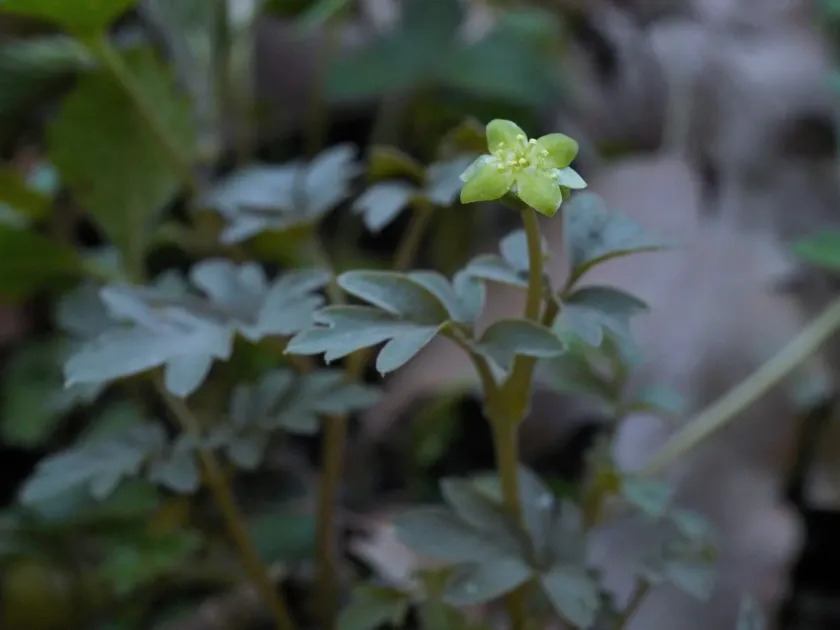
Botanically, it is characterized by its distinct square-shaped inflorescence consisting of tiny yellow-green flowers. It spreads via creeping rhizomes, which allow the plant to form low-growing carpets on the forest floor, protecting the soil surface.
Regarding site requirements, Moschatel demands humus-rich, loose, and consistently moist soil. It is highly sensitive to direct sunlight and thrives exclusively in sheltered, cool woodland environments with a balanced microclimate.
In terms of agricultural or horticultural use, it is valued primarily as a specialist groundcover for deep shade gardens that mimic natural woodland settings. It is rarely cultivated on a large scale due to its demanding biological requirements.
Main diseases and pests
The main threat to Moschatel populations is the loss of natural woodland habitats. Changes in local hydrology, particularly the drying out of forest soils in spring, are detrimental to the plant's survival and growth cycle.
Human disturbance, including soil compaction from foot traffic, directly impacts the plant's delicate root system. As a sensitive woodland species, it does not adapt well to environments altered by industrial or intensive farming activities.
Disease pressures typically involve fungal root rots, especially when the soil remains waterlogged without proper aeration. These pathogens are most prevalent in degraded forest fragments where the natural microbial balance has been disrupted.
Common pests include gastropods such as slugs, which can damage the tender spring foliage in cool and moist conditions. However, infestations rarely reach levels that would threaten the overall population stability.
Integrated management should focus on maintaining the natural moisture and shade levels of the site. Avoid the use of synthetic fertilizers or pesticides, as the plant maintains a delicate symbiotic relationship with specific soil fungi essential for nutrient uptake.