
Birchleaf viburnum
Viburnum betulifolium
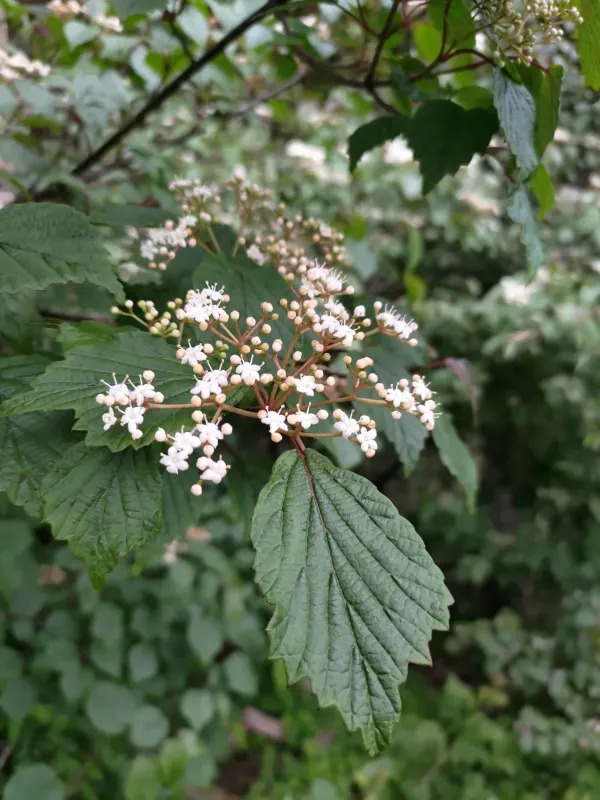
Description
Sowing dates
Birchleaf viburnum (Viburnum betulifolium) is a member of the Adoxaceae family. This shrub is primarily propagated through vegetative methods, specifically cuttings, which are ideally taken during the summer months, from June to July, to ensure successful rooting.
When propagating via seeds, sowing should be done in the autumn directly into the open ground or cold frames. The seeds require a lengthy stratification period, meaning spring-sown seeds may not germinate until the following year, requiring patience from the grower.
Transplanting container-grown specimens into the landscape can be performed in both spring and autumn. Early autumn is generally considered the optimal time for root establishment, as the soil remains warm and moist, allowing the plant to acclimate before the ground freezes.
Proper preparation of the planting hole is essential, incorporating organic matter like well-rotted compost or manure to support initial growth. The hole should be deep enough to accommodate the root ball comfortably without bending or circling the roots.
Spacing is a crucial factor for this species, as it grows into a sizeable shrub. Planting specimens at least two meters apart ensures adequate airflow and light penetration, which are vital for preventing fungal issues and promoting uniform plant development.
Growing requirements
This species thrives in fertile, well-draining loam soils with a neutral to slightly acidic pH. It performs poorly in waterlogged conditions, making the provision of adequate soil drainage a critical prerequisite for healthy growth and long-term vitality.
Birchleaf viburnum is light-demanding and prefers a location with full sun to partial shade. To achieve the most prolific fruit set and the most vibrant autumn color, providing a site that receives several hours of direct sunlight daily is highly recommended.
Climate preferences include moderate humidity and consistent moisture. While the plant is resilient, supplemental watering is necessary during the first few years after planting and during prolonged dry spells to protect the root system from dehydration.
Maintenance includes annual pruning performed in early spring before the onset of the growing season. Removing damaged, crossing, or excessively dense branches improves the plant's architecture and encourages the development of new, vigorous fruiting wood.
The hardiness of this species is commendable, allowing it to withstand moderate winter conditions without significant injury. In colder regions, young plants may benefit from a layer of mulch around the base to insulate the roots against temperature fluctuations.
Yield
The primary economic and aesthetic value of birchleaf viburnum lies in its ornamental output. The plant is famous for its exceptionally heavy berry set, producing dense clusters of brilliant red fruit that remain on the shrub well into the winter months.
Fruit production typically begins when the plant reaches maturity, usually within four to five years after initial planting. These berries provide a high visual impact, making the shrub a focal point in landscapes during the late season when foliage has fallen.
While not a major commercial food crop, the berries serve as a crucial food source for local bird populations during the winter. This ecological benefit, combined with its ornamental resilience, makes it a favored choice for sustainable park and garden design.
Yield consistency is maintained through regular fertilization with balanced phosphorus and potassium fertilizers. Such nutrient inputs strengthen the shrub, ensuring that it continues to produce an abundant display of berries year after year.
Proper management of the plant—including light pruning and adequate soil care—optimizes the shrub's health, allowing it to maintain its decorative productivity for many years. It remains a low-maintenance choice for those seeking reliability in their plantings.
Main diseases and pests
The viburnum leaf beetle is the most significant pest, capable of defoliating the shrub rapidly if left unchecked. Early intervention using targeted insecticides or physical removal of infested foliage is necessary to preserve the plant's aesthetic integrity.
Aphids are frequent visitors that target the tender new growth of the plant. Their feeding can cause curled leaves and stunted shoot development; treatment with systemic pesticides or horticultural soap is generally effective for controlling these outbreaks.
Powdery mildew can become a problem in high-humidity areas or where air circulation is restricted. Preventive measures, such as proper spacing during planting and keeping the foliage dry, are the best defense against this fungal infection.
Root rot caused by stagnant water is a serious threat in heavy clay soils. Ensuring that the planting site has excellent internal drainage is the most effective way to prevent these types of soil-borne pathogens from compromising the shrub's health.
- Regular inspection of leaf surfaces for signs of pests.
- Pruning out infected branches to reduce disease spread.
- Maintaining optimal spacing to ensure airflow.
- Applying fungicides only when symptoms of disease appear.
- Using organic mulch to regulate soil moisture levels.