
Semenov maple
Acer tataricum L. subsp. semenovii (Regel & Herder) A. E. Murray
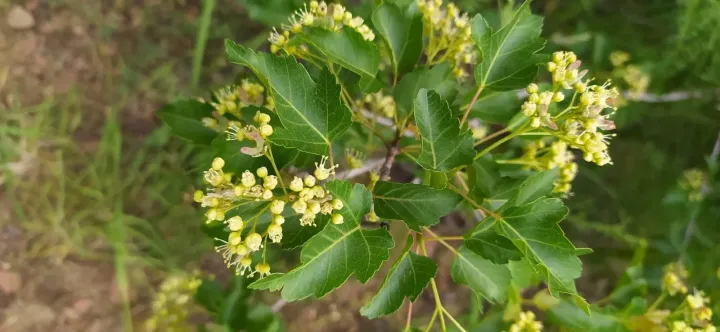
Description
Sowing dates
Sowing seeds of the Semenov maple is recommended in the autumn, immediately after harvesting, to allow for natural stratification within the soil.
For spring sowing, seeds require pre-stratification at low temperatures for 60–90 days to significantly improve germination rates.
The seeds should be planted at a depth of no more than 2–3 centimeters in open ground to ensure optimal sprouting conditions.
It is crucial to maintain consistent substrate moisture throughout the entire germination period, preventing the top layer of soil from drying out.
Vegetative propagation is also possible using summer cuttings, which should be planted in light, nutrient-rich soil under a protective film cover.
Growing requirements
The Semenov maple belongs to the Sapindaceae family and is a subspecies of the Tatar maple, known for its high winter hardiness and drought tolerance.
The plant prefers well-lit areas but can withstand light shading without losing the decorative appeal of its foliage.
The crop is not demanding regarding soil composition, though it thrives best in fertile, well-drained loams with a neutral or slightly alkaline pH.
In arid climates, the maple demonstrates excellent adaptability to extreme temperatures, making it a promising species for landscaping in Central Asia.
A key requirement is protecting young saplings from strong winds and establishing a favorable microclimate during the first years after permanent planting.
Main diseases and pests
The Semenov maple is relatively resistant to most common leaf diseases that affect other maple species.
During periods of high humidity, powdery mildew may develop, which requires treatment with sulfur-based fungicidal preparations.
Pests such as leaf rollers and aphids can cause localized damage to new growth, necessitating regular monitoring and timely insecticide applications.
Bark beetles and other wood-boring pests rarely attack healthy specimens, so prevention focuses on maintaining the tree's overall vitality.
Proper pruning and the removal of damaged branches help improve air circulation, significantly reducing the risk of rot within the canopy.