
Tatar maple aidzuense
Acer tataricum L. subsp. aidzuense (Franch.) P. C. DeJong
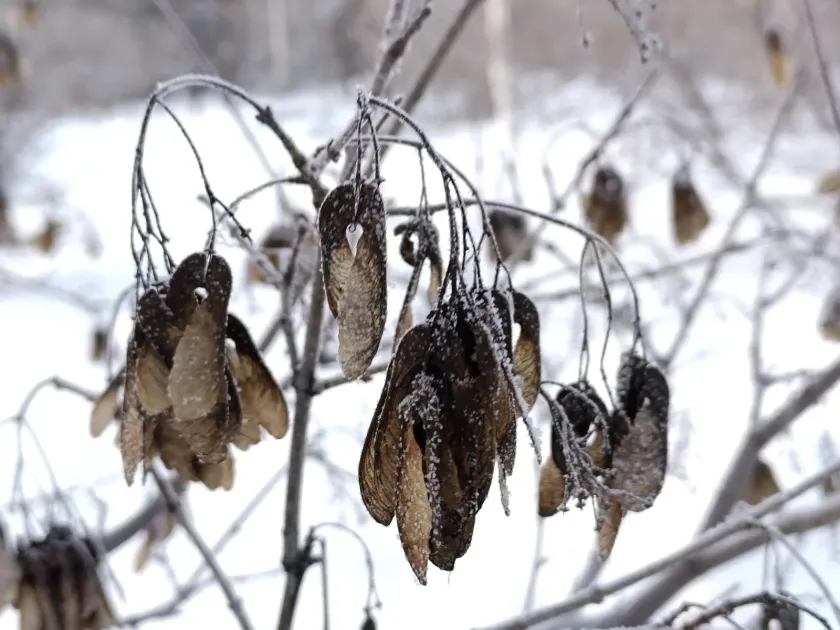
Description
Sowing dates
Propagation of Acer tataricum aidzuense is primarily achieved through seeds. For the best germination results, seeds should be collected in late summer or autumn and sown immediately.
If seeds are stored for spring planting, they must undergo a cold stratification period of approximately 90 days. This mimics the natural cycle and ensures a uniform emergence of seedlings.
Sowing in a nursery bed requires loose, well-drained soil. The seeds are typically placed at a depth of 2 to 4 centimeters, covered with a thin layer of organic mulch.
Young seedlings require consistent moisture during their first growing season. Protecting them from intense midday sun with shade cloth can significantly improve survival rates.
Once the seedlings reach a height of approximately 40 centimeters, they are ready for transplanting into larger containers or their permanent location in the landscape.
Growing requirements
The Tatar maple aidzuense is a member of the Sapindaceae family. It is recognized for its robust nature and its ability to thrive in varied environmental settings.
This species performs best in full sun, though it is tolerant of partial shade. Its leaves develop a more pronounced color intensity when exposed to adequate light levels throughout the day.
The tree prefers well-drained, moderately fertile soil, but it is known for its remarkable adaptability to different pH levels, including alkaline and neutral soils.
One of its key characteristics is excellent drought tolerance once established. Its root system is deep and sturdy, making it effective for soil stabilization projects.
Maintenance is minimal compared to other ornamental trees, as it is naturally cold-hardy and requires little intervention after the initial establishment period.
Main diseases and pests
While the tree is relatively resistant to major health issues, powdery mildew can occur during periods of high humidity and stagnant air circulation around the crown.
Pests like aphids and scale insects occasionally feed on the sap of young branches. These infestations are generally manageable with simple horticultural oils or soap sprays.
Bark damage from maintenance equipment or wildlife can create entry points for fungal decay. Proper protective measures around the base of the trunk are highly recommended.
Leaf spot pathogens might appear during rainy summers but rarely threaten the overall life of the tree. Clearing fallen leaves in autumn helps prevent these issues from recurring.
General tree health is maintained by ensuring proper spacing during planting, which prevents the overcrowding that often leads to increased pest and disease activity.