
Automation is becoming the new standard for modern production
Ten to fifteen years ago, the automation of production processes was primarily associated with large industrial enterprises. Today, the situation has changed: digital technologies are becoming more accessible, while requirements for product quality, safety, and production efficiency are constantly rising.
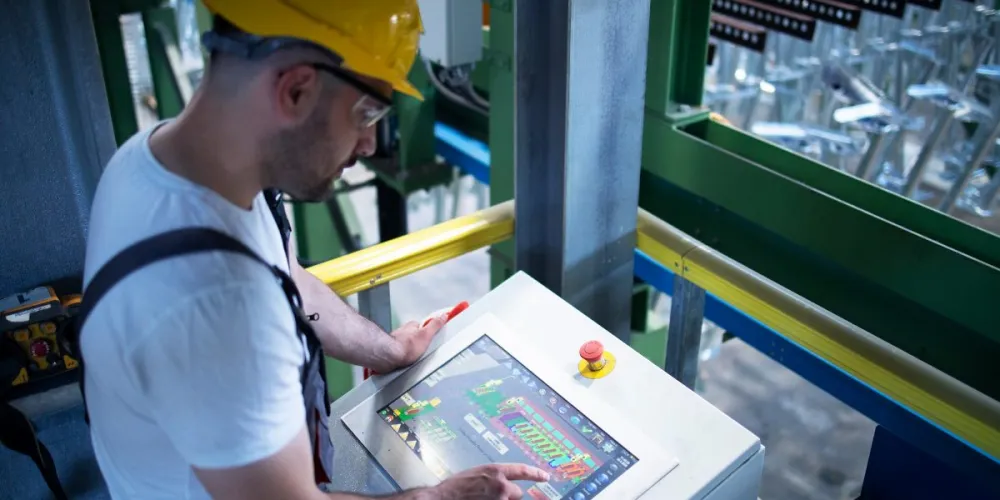
Ten to fifteen years ago, the automation of production processes was primarily associated with large industrial enterprises. Today, the situation has changed: digital technologies are becoming more accessible, while requirements for product quality, safety, and production efficiency are constantly rising.
Enterprises are increasingly viewing automation as a tool for long-term development rather than a one-time equipment upgrade. This trend is particularly noticeable in industries where even small deviations in technological parameters can affect product quality or lead to additional costs.
Today, many enterprises are studying the experience of companies specializing in industrial automation and environmental monitoring. One such example is presented on the website of the company Promanalyt, where you can see modern solutions for measurement, control, and integration of production processes.
Why automation is no longer an advantage but a necessity
The main advantage of modern systems lies not only in reducing the share of manual labor. They provide continuous control of production parameters, detect deviations in a timely manner, and help personnel respond more quickly to changes in technological conditions.
Reducing the impact of the human factor plays an equally important role. Automatic data collection allows for objective information to be obtained without constant operator involvement, which means the probability of errors in measurements, data transmission, and report preparation is reduced.
An additional advantage is the ability to analyze production processes in dynamics. Managers gain access not just to individual indicators, but to the full picture of equipment operation, which allows for more accurate maintenance planning, forecasting potential failures, and optimizing resource usage.
From individual devices to a unified control system
Modern production is increasingly built around a unified digital infrastructure. Sensors, analyzers, flow meters, and other measuring equipment are integrated into a common system where information is received in real-time and becomes available to all responsible specialists.
This approach is particularly in demand at enterprises that need to simultaneously monitor technological processes, resource consumption, and environmental indicators. The integration of various systems allows for faster detection of deviations, compliance with regulatory requirements, and decision-making based on up-to-date data.
However, the transition to automation rarely happens all at once. Most enterprises start with the most critical production areas, gradually expanding the control system as equipment is modernized. This approach reduces the financial burden and allows for the evaluation of new solutions before large-scale implementation.
This is why production process automation is viewed today not as an isolated technological project, but as one of the key factors for the sustainable development of an industrial enterprise. Companies that begin their digital transformation now gain more opportunities to improve efficiency, product quality, and competitiveness in the future.
Editorial team agronom.info
Materials are prepared by the portal's agronomists and editors. We use only trusted sources: Ukrainian agricultural universities, variety registries, open scientific publications.
Related articles

Not yet comments. Be the first!
Comments