
High-pressure hoses for tractors, sprayers, and combines: what to consider when choosing
Hydraulic hoses in agricultural machinery operate under constant load, so their quality directly affects the stable performance of a tractor, sprayer, combine harvester, loader, or other machine.
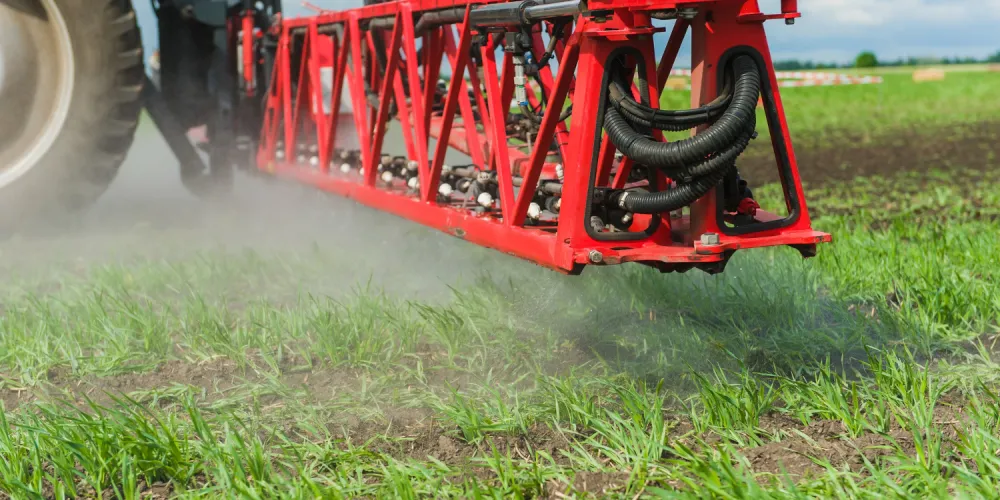
Hydraulic hoses in agricultural machinery operate under constant load, so their quality directly affects the stable performance of a tractor, sprayer, combine harvester, loader, or other machine. When selecting high-pressure hoses, it is important to consider not only the price, but also the working pressure, type of fittings, operating conditions, and compatibility with a specific hydraulic system. More details about the sale, repair, and manufacture of such products can be found on the page https://agropostach.ua/optovaya-prodazha-i-remont-s-izgotovleniem-rvd to better understand the available service and replacement options.
Where high-pressure hoses are used in agricultural machinery
High-pressure hoses are used in all units where hydraulic fluid transfers force from the pump to the actuating mechanisms. In tractors, they are needed for attachments, front loaders, steering systems, hydraulic cylinders, and trailed implements. In sprayers, high-pressure hoses may be used in boom lifting and folding systems, section position adjustment, pump circuits, and control circuits.
In combine harvesters, hydraulic hoses operate under high loads, vibration, dust, and long periods of continuous use. They ensure the operation of the header, hydraulic cylinders, drives, lifting mechanisms, unloading systems, and working unit adjustment mechanisms. Therefore, even a minor hose defect can stop the machine at the most inconvenient moment.
Main selection parameters
When choosing high-pressure hoses for agricultural machinery, it is important to look not only at the outer diameter or length. The hose must match the working conditions of a specific unit; otherwise, it will wear out quickly, start leaking oil, or fail to withstand the pressure.
Main parameters to consider:
- working and burst pressure of the hose;
- inner diameter and flow capacity;
- hose length, taking into account the movement of the units;
- type of reinforcement and number of metal braids;
- compatibility with hydraulic fluid;
- type and size of fittings;
- bending angle and permissible bend radius;
- resistance to oil, moisture, ultraviolet light, and temperature changes;
- operating conditions of the machinery in the field;
- presence of a protective cover against abrasion and mechanical damage.
Working pressure and safety margin
One of the main selection criteria is working pressure. A high-pressure hose must withstand the pressure generated in the machine’s hydraulic system, with a safety margin. A hose with lower specifications must not be installed, even if it fits in terms of length and thread. Visually, such products may look the same, but their strength can differ significantly.
For tractors and attachments, hoses with medium and high pressure ratings are often used. For combine harvesters and powerful hydraulic systems, the requirements may be higher, especially if the unit operates under constant load. If the hose is selected incorrectly, the risk of rupture, oil leakage, and damage to nearby elements increases.
Diameter and flow capacity
The inner diameter affects the speed at which hydraulic fluid passes through the system. If the diameter is too small, the system may operate under overload, the pump will experience excessive resistance, and the hydraulic cylinders may begin to move more slowly or jerkily. If the diameter is too large, this can also disrupt the normal operation of the circuit.
When selecting a hose, it is important to follow the factory specifications of the machinery or the characteristics of the old hose, provided it was installed correctly. Particular attention should be paid when selecting high-pressure hoses for machinery where hydraulics are responsible for precise movements: sprayers, loaders, headers, seeders, and balers.
Fittings and connections
Even a high-quality hose will not work reliably if the fittings are selected incorrectly. The connections must precisely match the thread, angle, seat, and standard of the hydraulic system. A fitting error can lead to oil leakage, thread damage, or the inability to install the hose properly.
Different types of connections may be found on agricultural machinery depending on the manufacturer, year of production, and specific machine modification. Therefore, when replacing a hose, it is advisable to have the old high-pressure hose sample or exact parameters: length, diameter, thread type, fitting shape, and bending angle.
Field operating conditions
Agricultural machinery operates in a harsh environment: dust, dirt, plant residues, high temperatures, moisture, vibration, and constant mechanical loads. The hose may rub against metal elements, bend when the hitch moves, or get into an area of increased heat. All this accelerates wear.
For such conditions, it is better to choose high-pressure hoses with a quality outer layer and, if necessary, additional protection. A protective spiral, textile, or plastic cover helps reduce the risk of damage when in contact with the frame, brackets, and moving parts.
Signs of high-pressure hose wear
Regular inspection of high-pressure hoses helps avoid emergency downtime. It is best to inspect them before the start of the season, after intensive work, and during every maintenance service of the hydraulic system.
The need for replacement or repair may be indicated by cracks on the outer layer, bulges, oil traces, abrasions, kinks, corrosion of fittings, loose crimping, or changes in the hose shape. If the hose starts to become wet near the connection, this is already a sign that the unit requires attention.
Repair or manufacture of a new hose
A damaged high-pressure hose does not always have to be fully replaced with a ready-made product from a catalog. In some cases, a new hose can be manufactured according to a sample by selecting the required length, fittings, diameter, and pressure rating. This is convenient for agricultural machinery that uses non-standard sizes or older unit modifications.
Repair may be appropriate if the problem is related to the fitting or connection, while the hose itself is in good condition. However, if there are cracks, bulges, severe abrasion, or damage to the reinforcing layer, it is safer to manufacture a new high-pressure hose. Saving money on such a component can result in more expensive hydraulic system repairs.
Why it is important to have spare high-pressure hoses
During the sowing, spraying, or harvesting season, machinery downtime is especially undesirable. One damaged hose can stop a tractor, combine harvester, or sprayer for several hours, and sometimes for an entire day. That is why it is beneficial for farms to prepare spare high-pressure hoses in advance for the most heavily loaded units.
This is especially relevant for machinery that works every day and performs critical operations. Having correctly selected spare hoses helps eliminate breakdowns faster, reduce downtime, and avoid disrupting the fieldwork schedule.
Editorial team agronom.info
Materials are prepared by the portal's agronomists and editors. We use only trusted sources: Ukrainian agricultural universities, variety registries, open scientific publications.
Related articles
Cultivator or Walk-Behind Tractor: Fundamental Differences and Technical Distinctions

Financial instruments for updating the agricultural technology fleet: choosing an optimal strategy
Cargo lashing straps: reliable fixation for transport and storage
Not yet comments. Be the first!
Comments · 0