
Varieties or hybrids of vegetables: what is better to choose for a stable harvest
When planning the sowing season, gardeners and farmers always decide which type of seed material will give the best result in specific conditions. The right choice depends on the growing goals, the features of the plot, care requirements and the…
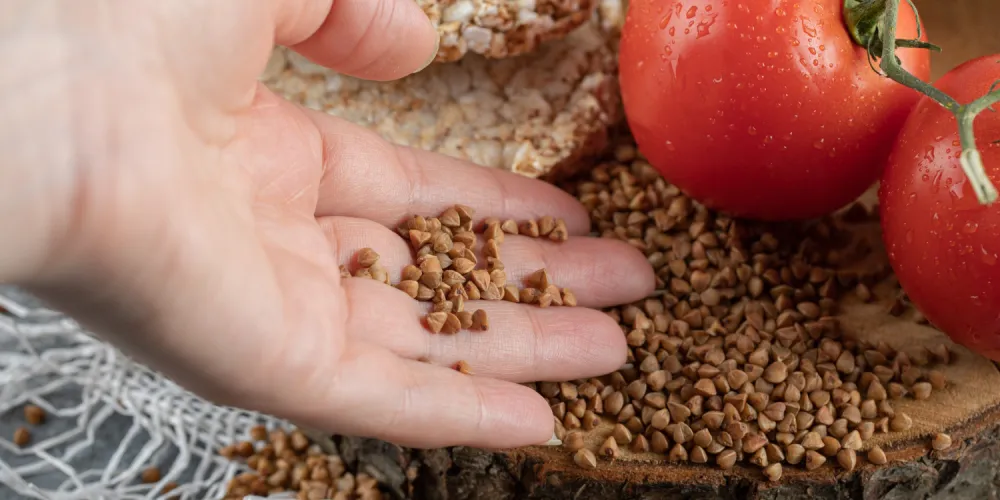
When planning the sowing season, gardeners and farmers always decide which type of seed material will give the best result in specific conditions. The right choice depends on the growing goals, the features of the plot, care requirements and the expected harvest, while the professional seed center helps navigate a wide range of crops, varieties and modern hybrids.
What is the difference between varieties and hybrids
Varieties are valued for their predictable characteristics, the ability to collect seeds independently and their adaptability to specific growing conditions. At the same time, professional vegetable seeds in the form of hybrids are often chosen for their high yield, uniform fruit quality, disease resistance and better response to intensive growing technology.
For those who want to combine convenient selection with practical information, a professional seeds website becomes a useful tool for choosing crops by ripening time, soil characteristics, growing method and the intended use of future produce.
When it is advisable to choose varieties
Varietal seeds are well suited for gardeners who want to achieve a stable result without excessive dependence on intensive nutrition and complex care schemes. Such plants often have a traditional taste, are better suited for home consumption, preservation and collecting your own seeds for the next season. For small farms, this can be a practical and economically beneficial solution.
When hybrids have the advantage
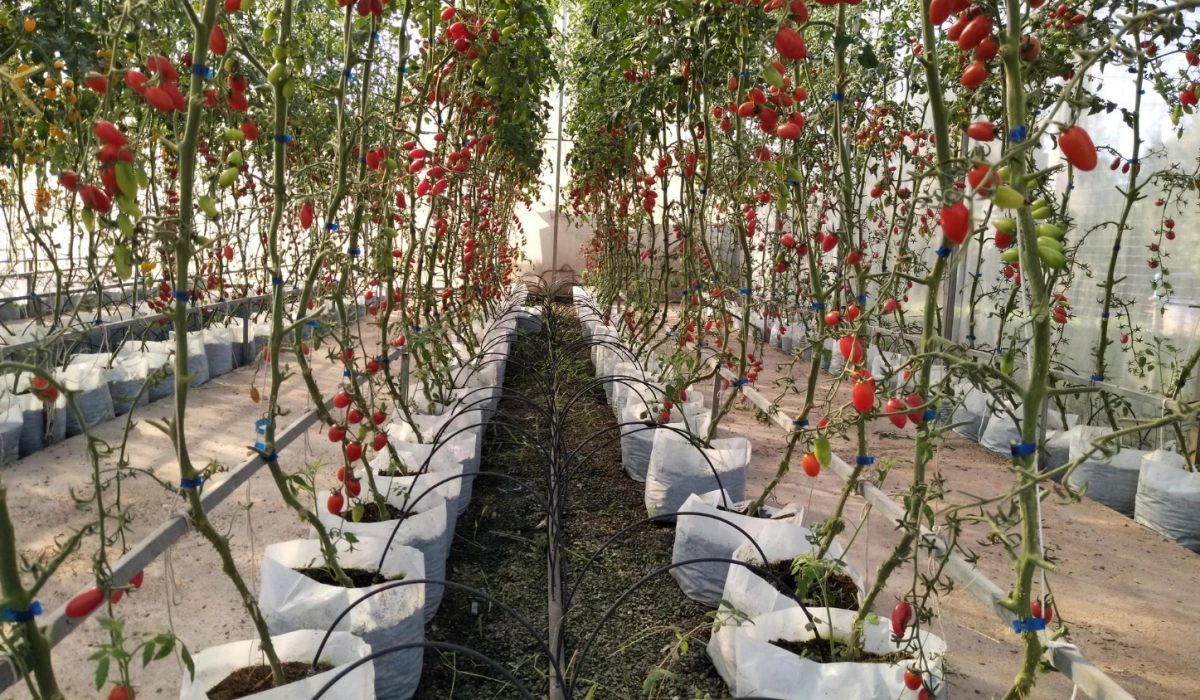
Hybrids are more often chosen when high marketability, even ripening, uniform fruit quality and resistance to common diseases are important. This is especially relevant for farms, greenhouse cultivation and commercial vegetable sales. With proper watering, nutrition and plant protection, hybrids can show very strong results even in difficult years.
What to consider before buying
- growing conditions, open ground or greenhouse
- soil type and regional characteristics
- plant resistance to diseases and stress
- ripening periods, early, medium or late
- purpose of the harvest for personal use, sale, processing or storage
- possibility of intensive care, watering and fertilization
- need to collect your own seeds for the next season
If the main goal is taste, familiar agricultural practices and independent seed selection, it is worth paying attention to proven varieties. If maximum stability, product uniformity and high yield per area are needed, hybrids often become a more profitable option. That is why, when choosing, it is important to look not only at the crop name, but also at the description of characteristics, yield potential and care requirements.
How to achieve a stable result in practice
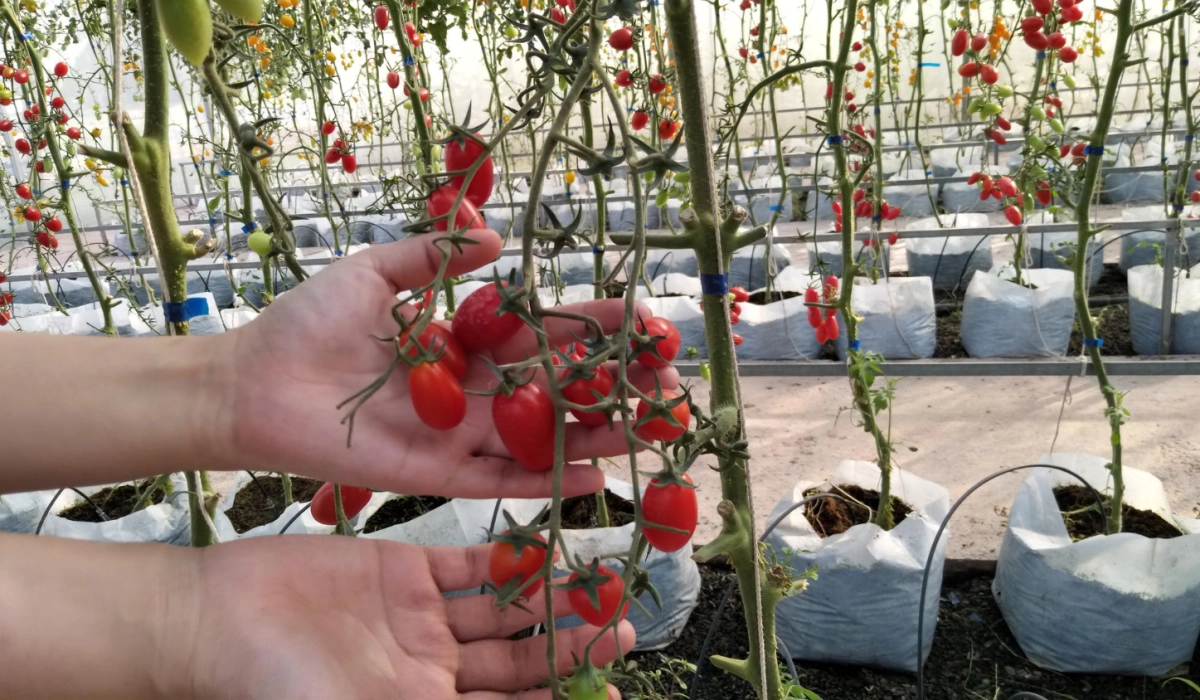
The best approach for a stable harvest often involves combining several solutions. On one plot, both varieties and hybrids can be sown, comparing their performance, yield, taste, keeping quality and resistance in specific conditions. This approach makes it possible to gradually build your own reliable set of crops for each season and reduce risks related to weather or changes in growing conditions.
How to combine varieties and hybrids on one plot
A practical approach is not to completely reject one option in favor of the other, but to distribute crops correctly according to tasks. For example, hybrids with a short ripening period can be chosen for an early harvest, while proven varieties with good taste qualities can be left for home consumption and preservation.
In greenhouses, hybrids often show better returns because it is easier to control watering, nutrition, temperature and plant protection there. In open ground, varieties can be more convenient for those who grow vegetables without complex agricultural technology and want to obtain a reliable harvest even with minimal care.
Why it is important to read the seed description
The description on the product page helps understand what conditions the seeds are intended for. It is worth paying attention to the recommended growing method, ripening period, fruit shape and weight, resistance to main diseases, harvest purpose and care features. These characteristics often matter more than the general name of the crop.
For a stable result, it is important not to buy seeds only by the appearance of the package or the popularity of the name. The same vegetable can have dozens of variants that behave differently in a greenhouse, in a garden, in a hot region, on light soil or with insufficient watering.
The role of care in yield
Even the best seeds do not guarantee a high yield without proper soil preparation, timely watering, nutrition and plant protection. Hybrids may have great potential, but they often need stable conditions to realize it. Varieties may be less demanding, but they also require attention at the stage of germination, plant formation and fruit filling.
It is especially important to follow sowing dates. Sowing too early or too late can reduce germination, slow plant development and affect the future harvest. Therefore, before buying, it is worth considering not only the desired result, but also the real care possibilities throughout the season.
What is better for a stable harvest
For a stable harvest, the best solution is not a universal answer, but a competent choice for a specific task. Varieties are appropriate where taste, ease of growing, traditional characteristics and the ability to obtain your own seeds are important. Hybrids are better suited for those who want a uniform harvest, high productivity and better resistance to stress factors.
The optimal strategy for a gardener or farmer is to gradually test several options. If different crops are compared on your own plot every year, it becomes easier to understand which varieties and hybrids are best suited to the local climate, soil, irrigation system and planned use of the harvest.
Editorial team agronom.info
Materials are prepared by the portal's agronomists and editors. We use only trusted sources: Ukrainian agricultural universities, variety registries, open scientific publications.
Related articles

Not yet comments. Be the first!
Comments