
How to Properly Clean and Store a Kitchen Food Processor
A kitchen food processor is a versatile appliance that performs various functions such as chopping, slicing, mixing, whipping, and kneading dough. It simplifies culinary processes, saves time and effort. However, to maintain its efficiency and functionality, proper care is essential.
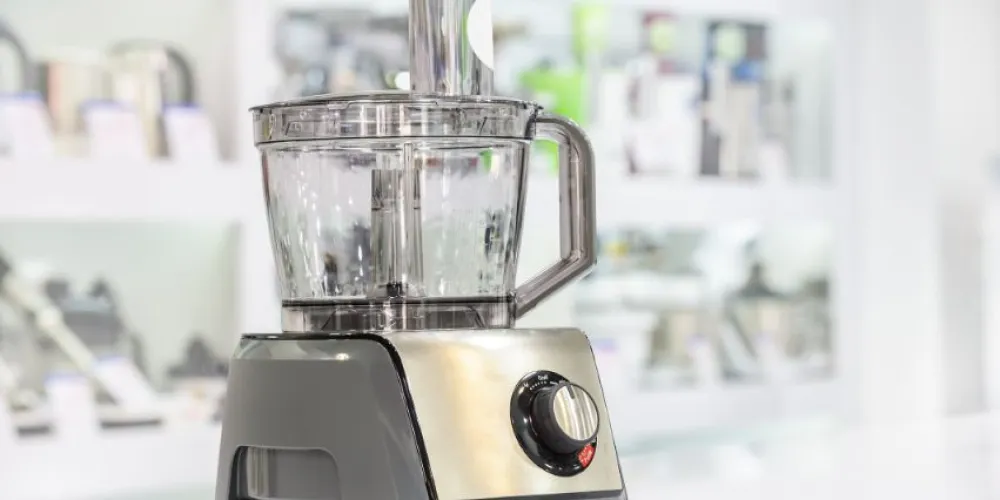
A kitchen food processor — a versatile appliance that performs various functions such as chopping, slicing, mixing, whipping, and kneading dough. It simplifies culinary processes, saves time and effort. However, to maintain its efficiency and functionality, proper care is essential.
Cleaning and Maintenance of a Kitchen Food Processor
Regular maintenance procedures extend the appliance’s lifespan and maintain hygiene during food preparation. If you decided to update your kitchen appliances and buy a kitchen food processor, explore the selection available in the Allo store. Proper care begins with cleaning off food residues and buildup. After using the food processor, wash all removable parts in warm water with a mild detergent. Avoid aggressive liquids containing chlorine, acetone, or alcohol. These can damage the surface or color of parts. Blades and attachments can be washed in a dishwasher if permitted by the operating manual. Wipe the appliance’s body with a dry or damp cloth. Do not submerge it in water to avoid damaging electrical components. Thoroughly dry all food processor parts. Use a soft cloth or paper towels. Do not assemble the appliance if it is wet. This may cause unpleasant odors, mold, or rust. Follow the recommended maximum volume and operating time to avoid excessive strain on its mechanisms. Overloading may lead to premature motor and other component wear.
Storage Recommendations for a Kitchen Food Processor
After each use, it is essential to store the appliance properly to avoid damaging parts and compromising its performance. Following simple recommendations can protect your kitchen food processor from adverse factors:
- Choose an appropriate location — a dry and clean cabinet or shelf is ideal. Avoid storing it on open surfaces such as a table or windowsill, where the appliance may be exposed to direct sunlight, moisture, or dust. Also, do not store the kitchen food processor near heat sources such as a stove, microwave, or radiator. This may affect its electrical components or plastic parts.
- Ensure all components are securely fastened before storage. Do not leave blades and attachments in the bowl, as they may dull. Sharp parts should be stored in containers or boxes.
- Use a special cover to protect the appliance from dust, dirt, and scratches. If such a cover is unavailable, use a dry cloth such as a towel or napkin. Avoid using polyethylene, as it does not allow air to pass and may cause condensation or odors.
Proper care, regular cleaning, and correct storage — key factors for extending the lifespan of a kitchen food processor. Following these rules will preserve the appliance’s functionality for a long time.
Editorial team agronom.info
Materials are prepared by the portal's agronomists and editors. We use only trusted sources: Ukrainian agricultural universities, variety registries, open scientific publications.
Related articles


Not yet comments. Be the first!
Comments