
Willow-leaved knotweed
Polygonum salicifolium
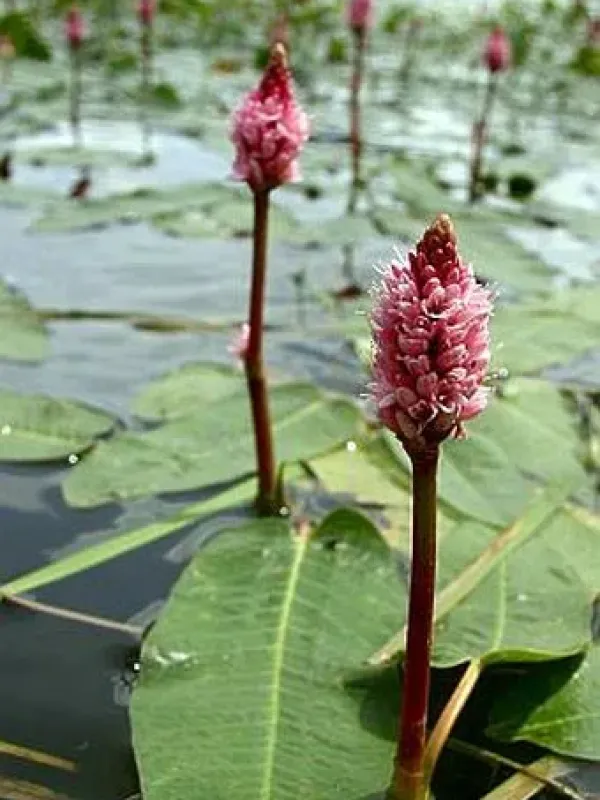
Description
How to tell it apart
Willow-leaved knotweed (lat. Polygonum salicifolium, also known as Persicaria salicifolia) belongs to the Polygonaceae family. It is a perennial herbaceous plant capable of colonizing large areas quickly.
The stems can grow up to 1 meter in height, often spreading or ascending. They are characterized by narrow, lanceolate leaves that closely resemble those of willow trees, which is the origin of its common name.
The inflorescences appear as long, slender spikes that hold small pink or white-green flowers. The plant blooms over an extended period, ensuring a high rate of seed production.
Its root system is vigorous and rhizomatous, allowing the plant to spread vegetatively. This underground network makes it particularly resilient to mechanical control attempts.
The seeds are triangular, dark, and glossy, adapted to survive in various conditions, including wet environments where they can remain dormant for several years.
Where it grows
This weed thrives in moist or wet habitats. It is commonly found along the banks of rivers, irrigation canals, in wetlands, and on poorly drained agricultural land.
In farming, willow-leaved knotweed is a significant nuisance in irrigated fields and areas with high water tables, where it outcompetes other vegetation.
It prefers heavy, loamy soils that hold moisture, which is why it often appears in low-lying parts of fields after heavy rainfall or flooding events.
Spread is facilitated by water flow, which carries seeds downstream, and by agricultural machinery that transports broken rhizome fragments to clean areas.
Due to its high demand for moisture, it is often considered an indicator of poor soil drainage or inadequate water management in the field.
Harm it causes
The primary damage caused by this weed is the intense competition for resources. Its ability to absorb large quantities of water and nutrients stunts the growth of adjacent crops.
Dense infestations create significant shading, which reduces the photosynthetic efficiency of cultivated plants and ultimately leads to substantial yield losses.
The presence of willow-leaved knotweed complicates harvest operations, as the thick, green foliage increases the moisture content of the grain and can clog harvesting machinery.
It acts as a host for various pests and diseases, providing a refuge that allows these threats to persist through the season and potentially migrate to crops.
Management costs are high, as the weed's perennial nature requires repetitive treatments and specialized equipment to control its spread effectively.
How to control
Mechanical control focuses on deep tillage and plowing, which exposes rhizomes to drying conditions. Repeated cultivation during fallow periods is essential to exhaust the plant's food reserves.
Drainage improvements are a long-term solution. By managing water levels and reducing soil saturation, farmers can make the environment less suitable for this moisture-loving weed.
Crop rotation serves as a strategic tool; planting competitive crops that shade the soil effectively helps to suppress the growth of new sprouts.
Chemical control relies on systemic herbicides applied during the active growth phase, ensuring the herbicide is translocated into the deep root system for total kill.
- Integrated pest management approach.
- Sanitation of equipment between fields.
- Strategic application of non-selective herbicides in non-crop areas.
- Maintaining soil drainage and aeration.
Taxonomy
- Latin name
- Polygonum salicifolium
- Family
- Прочие
- EPPO code
- POLSF