
Caperonia castaneifolia
Caperonia castaneifolia
Description
How to tell it apart
Caperonia castaneifolia is an annual herbaceous plant belonging to the Euphorbiaceae family. It is known for its ability to thrive in tropical and subtropical wetland environments, making it a significant nuisance in various agricultural sectors.
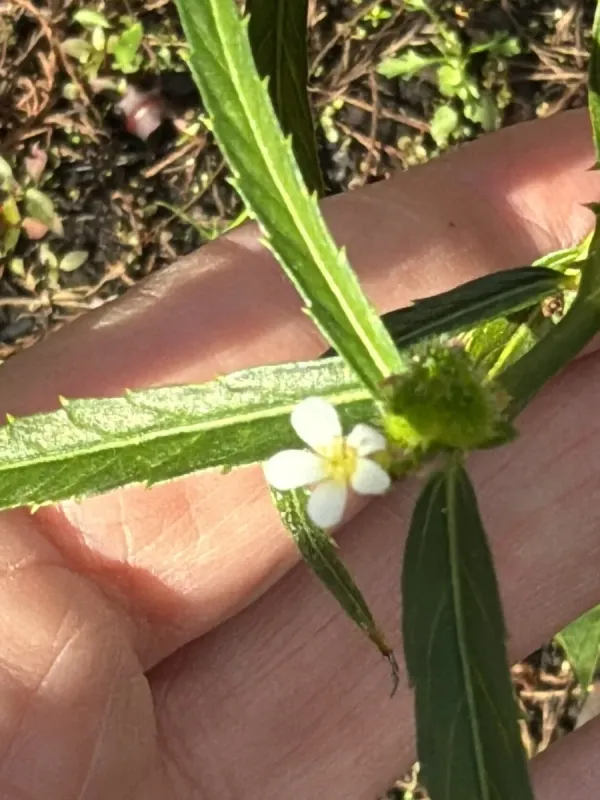
The plant is characterized by an erect stem that can reach significant heights. Its leaves are typically lanceolate or chestnut-shaped, which serves as a primary visual marker for distinguishing this species from other common wetland weeds.
Flowers are small, inconspicuous, and arranged in racemes. They are often tucked in leaf axils, meaning the weed can easily go unnoticed in the field until it begins to dominate the canopy or produces fruit.
The fruit is a three-lobed capsule typical of the Spurge family. When mature, these capsules split open, effectively ejecting seeds across the field and into irrigation systems, facilitating rapid spread.
The root system is taprooted, providing the plant with excellent anchorage and the ability to survive fluctuating water levels, which is a key trait that allows it to persist in flooded rice paddies.
Where it grows
Native to the Americas, Caperonia castaneifolia has become a widespread weed in rice-growing regions worldwide. It thrives in soils with high moisture content and is perfectly adapted to the management practices of irrigated rice systems.
This weed frequently occupies rice fields, irrigation ditches, and moist disturbed lands. Its preference for wet, fertile soil allows it to establish dense stands that outcompete crops for essential soil nutrients.
The plant is highly adaptable to different soil types, ranging from acidic to neutral, provided there is adequate water. This ecological plasticity makes it a persistent challenge for farmers in tropical zones.
Irrigation channels act as the primary distribution network for the seeds of this plant. Once an upstream field is infested, it is nearly inevitable that the downstream fields will suffer from contamination unless strict water management is applied.
In optimal conditions, the plant displays a rapid growth rate, allowing it to complete its life cycle within the timeframe of a single rice cropping season, thereby ensuring a continuous seed bank replenishment.
Harm it causes
The primary harm caused by Caperonia castaneifolia is its competitive nature. It shades out young rice seedlings, drastically reducing their growth rates and potential to reach their full yield capacity.
By consuming substantial amounts of nitrogen and other fertilizers, the weed deprives the target crop of the inputs necessary for vigorous development, often leading to patchy fields with irregular yields.
Dense populations of this weed interfere with mechanical operations. The thick stems can clog machinery and make physical maintenance of the fields difficult, increasing the overall cost of crop production.
The weed promotes humid microclimates that can foster the growth of rice pathogens. By reducing airflow around the rice base, it increases the susceptibility of the crop to fungal diseases and bacterial infections.
A major threat is the high reproductive potential of the weed. A single plant can produce a large number of seeds, which can remain viable in the soil for several years, creating a long-term management headache for farmers.
How to control
Agronomic control revolves around crop rotation and field sanitation. Planting competitive crops during the off-season can help suppress the emergence of Caperonia seedlings by limiting their access to sunlight.
Water management is critical in rice paddies. Maintaining a consistent, deep flood can help suppress germination of the seeds in the soil, as Caperonia is sensitive to low-oxygen environments during its early development.
Chemical control involves the use of selective herbicides applied at the early vegetative stages of the weed. It is essential to time the application correctly, as older plants develop a higher tolerance to standard chemical treatments.
Preventative measures, such as cleaning irrigation water entering the field and monitoring field borders, are essential for keeping infestations at bay. Preventing seed set is the most effective way to reduce future populations.
- Applying recommended herbicides during the 2-4 leaf stage of the weed.
- Implementing manual rogueing of isolated plants before they reach the flowering stage.
- Managing field borders and ditch banks to prevent the influx of new seeds into the irrigation flow.
Taxonomy
- Latin name
- Caperonia castaneifolia
- Family
- Молочайные
- EPPO code
- CNPCA