
Sisymbrium thellungii
Sisymbrium thellungii
Description
How to tell it apart
Sisymbrium thellungii is a member of the Brassicaceae family. It is an annual or biennial herbaceous plant that displays morphological characteristics typical of the genus Sisymbrium.
The plant features an erect, often branched stem that varies in height depending on environmental conditions. The leaves are alternate and pinnately divided, a common trait among many cruciferous species.
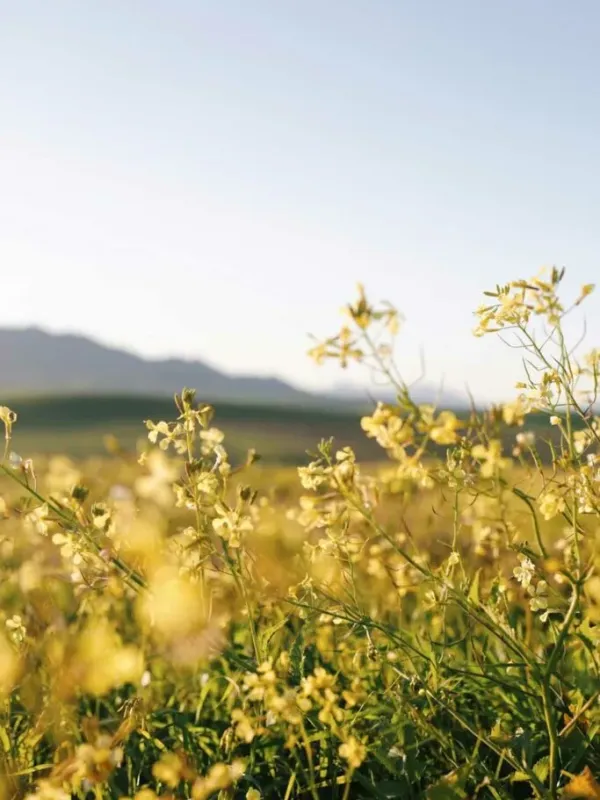
The flowers are small, yellow, and arranged in terminal racemes. Flowering typically occurs from late spring to early summer, allowing the plant to produce seeds over an extended period.
The fruit is a long silique that dehisces at maturity, facilitating wide seed dispersal. The seeds are minute and can remain viable in the soil seed bank for several years.
Biologically, this species is a hardy ruderal weed capable of rapid adaptation to changing environments and successful competition with crops for space, light, and nutrients.
Where it grows
This weed species favors open, well-lit areas. It is commonly found in disturbed lands, roadsides, abandoned fields, and wasteland areas where it can establish quickly.
In agricultural settings, Sisymbrium thellungii poses a significant threat to cereal crops. It often invades winter wheat and barley fields, competing for moisture during critical early development stages.
The plant shows high ecological plasticity, allowing it to colonize field edges and surrounding areas. In the absence of proper field border maintenance, the weed easily migrates into the main crop area.
It prefers fertile loam or sandy soils. Thanks to a robust root system, Sisymbrium thellungii successfully withstands temporary droughts, which are typical of steppe and forest-steppe zones.
The presence of this weed often serves as an indicator of poor pre-sowing soil tillage, as it is among the first species to colonize bare areas in the spring.
Harm it causes
The harm caused by Sisymbrium thellungii lies in its ability to develop vegetative mass very quickly, which shades out crop plants during the early stages of their development.
The weed actively consumes soil moisture, which is critical in arid regions. This leads to substantial yield losses in cereal crops, even when high-level agricultural practices are employed.
Furthermore, Sisymbrium serves as a host plant for many pests and diseases typical of the Brassicaceae family. It can harbor cruciferous flea beetles and other harmful insects.
The seeds of the weed contaminate grain harvests, complicating cleaning and processing. In some cases, parts of the plant can be toxic if consumed by livestock in significant quantities.
High reproductive intensity and the ability to produce large quantities of seeds make it an extremely dangerous competitor capable of suppressing crop growth in fields with improper rotation.
How to control
The primary agronomic control method is the implementation of a proper crop rotation system. Including crops that create a dense canopy is essential for suppressing weed development.
Effective management includes deep autumn plowing. This practice buries seeds at depths from which they cannot emerge, significantly reducing the weed population in the following season.
- Timely stubble cultivation immediately after harvest.
- Use of certified, weed-free seed material.
- Mechanical inter-row cultivation for row crops.
Chemical protection of crops involves the use of sulfonylurea herbicides and 2,4-D based products, which demonstrate high effectiveness against most Brassicaceae weed species.
To achieve the best results, herbicide application must be performed during the rosette stage of the weed. Late application on mature plants is often ineffective due to the plant's natural resistance.
Taxonomy
- Latin name
- Sisymbrium thellungii
- Family
- Крестоцветные
- EPPO code
- SSYTH