
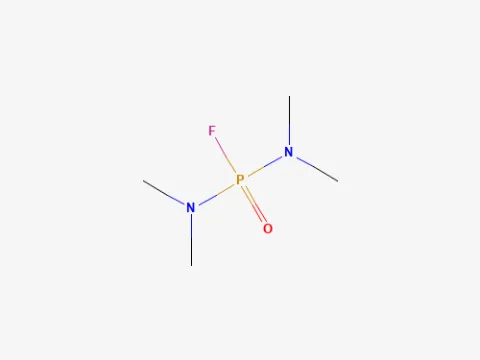
Dimethoate
Dimethoate is a widely used organophosphate insecticide and acaricide known for its potent systemic, contact, and stomach-poisoning properties.
What the section contains
Dimethoate
The primary mode of action involves the inhibition of the acetylcholinesterase enzyme, which disrupts the normal nerve transmission in insects, leading to paralysis and death.
Due to its systemic nature, dimethoate is absorbed by the plant's leaves and roots, moving acropetally to protect new growth and internal plant tissues from infestation.
It is particularly effective against pests that are difficult to reach with non-systemic products, such as those that feed deep within the plant tissues.
The chemical provides a consistent protective layer that persists within the plant for several weeks, depending on the specific growth stage and environmental conditions.
Dimethoate is highly effective in controlling a broad spectrum of pests, including aphids, thrips, spider mites, leafhoppers, and various species of flies.
It is extensively used in cereal crop production to manage pests such as cereal leaf beetles, sunn pests, and other insects that feed on stems and leaves.
In sugar beet cultivation, it serves as a key tool for managing flea beetles, weevils, and other foliage-feeding insects during the early developmental stages.
The compound is also utilized in vegetable and fruit orchards to control complex pest populations, including leaf miners and other sap-sucking insects.
Its ability to act systemically makes it an essential component of integrated pest management strategies where hidden pests pose a threat to crop health.
Application rates typically range from 0.5 to 1.5 liters of concentrate per hectare, depending on the pest density and the type of crop being treated.
It is recommended to apply dimethoate during temperatures between 12°C and 25°C, as extreme heat may reduce the overall efficacy due to increased volatilization.
Farmers must strictly observe the pre-harvest intervals (PHI), which generally range from 20 to 40 days, to ensure the crop is safe for consumption.
Applications should be timed for early morning or late evening to ensure uniform spray coverage and to minimize the impact of wind and evaporation.
To mitigate the risk of pest resistance, it is advised to rotate dimethoate with insecticides from different chemical classes, such as pyrethroids or neonicotinoids.
Dimethoate is highly toxic to bees and beneficial pollinators; therefore, it is strictly forbidden to apply the product while crops are in the flowering stage.
It is mandatory to notify local beekeepers well in advance of any spraying operations to prevent significant losses to bee colonies in the vicinity.
Operators must wear appropriate personal protective equipment, including respirators, chemical-resistant gloves, and protective suits, during all handling stages.
Mixing dimethoate with alkaline substances is prohibited, as it can cause rapid hydrolysis and degradation of the active ingredient, rendering it useless.
Environmental stewardship requires careful disposal of empty containers and spray tank washings, ensuring that the chemical does not contaminate local water sources.