
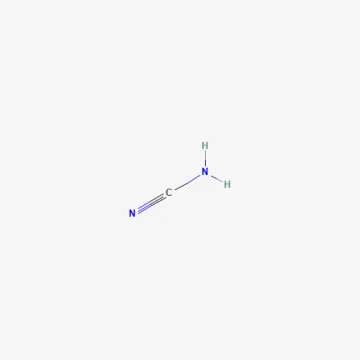
Calcium cyanamide
Description
Mode of action
Calcium cyanamide is an inorganic compound that acts as a multi-functional agent in agricultural soils. Upon contact with soil moisture, it undergoes hydrolysis to form cyanamide and calcium hydroxide.
The subsequent chemical pathway involves the transformation of cyanamide into dicyandiamide, eventually leading to the formation of urea. This intermediate stage provides a temporary but powerful inhibitory effect on soil life.
The herbicidal and fungicidal properties are primarily due to the toxic nature of the cyanamide intermediate. It interferes with metabolic pathways in plant and fungal cells, effectively inhibiting protein synthesis and germination.
Beyond its pest-control abilities, the substance is a slow-release nitrogen source. Once the transformation process is complete, it enriches the soil with nitrogen and lime, which helps improve long-term fertility.
The application of calcium cyanamide also significantly alters the soil micro-environment by increasing pH. This liming effect is beneficial for balancing acidic soils and improving overall soil structure.
What it targets
Calcium cyanamide is primarily used to control germinating weed seeds and young weed seedlings. It is particularly effective against small-seeded broadleaf weeds and annual grasses before crop emergence.
In terms of plant pathology, it suppresses various soil-borne pathogens, including those responsible for clubroot in brassicas, Fusarium wilt, and various root-rot fungi. It acts as a bio-sanitation agent.
The substance also exhibits activity against soil pests such as nematodes and the larval stages of various insects. By reducing these populations, it protects the root systems of sensitive vegetable crops.
- Effective control of germinating weed seeds
- Suppression of soil-borne fungal pathogens
- Reduction of nematode populations
- Provides essential nitrogen and calcium
- Improves soil pH balance
It is widely utilized in professional vegetable production and sugar beet cultivation, where intensive soil management is required to ensure optimal crop health from the early stages.
Rates and timing
Application rates are typically between 200 and 500 kg/ha, depending on the specific infestation level and soil type. Precision in distribution is crucial for achieving consistent results across the field.
Timing is critical: the product must be applied at least 2–3 weeks before sowing or planting. This period allows the toxic intermediate products to break down, ensuring safety for the following crop.
Soil moisture levels must be monitored closely during application. Adequate moisture is required to trigger the chemical decomposition process; overly dry conditions will delay the desired effect.
Incorporation into the soil to a depth of 5–10 cm is highly recommended. This practice maximizes the contact between the product and the soil, enhancing the fumigation effect against soil-borne threats.
Agronomists must carefully balance the nitrogen input from calcium cyanamide with the specific nutritional requirements of the upcoming crop to avoid excessive vegetative growth.
Restrictions
The most important limitation is the high phytotoxicity during the degradation phase. It must never be applied to emerging or established crops as it will cause severe burning or death of plant tissues.
Personal safety is paramount when handling calcium cyanamide. Users must wear appropriate protective equipment, including respirators and gloves, to prevent irritation to the skin and respiratory tract.
Avoid using the product on soils with already high pH levels, as the added calcium may push the soil chemistry too far towards alkalinity, reducing the bioavailability of certain micronutrients.
Storage requires strictly dry and ventilated facilities. The product is sensitive to humidity, and premature moisture contact can significantly degrade its quality and efficacy before application.
Strict adherence to environmental regulations is necessary. Avoid application near water bodies or sensitive ecosystems to prevent leaching or nitrogen runoff into local groundwater sources.
Status in the European Union
Not approved in the EU
- CAS number
- 420-04-2
- Category (EU)
- HB - Herbicide
- ADI
- 0.002 mg/kg bw/day
- ARfD
- 0.05 mg/kg bw
- AOEL
- 0.002 mg/kg bw/day
EU status is for reference only and does not replace national registration in your country.