

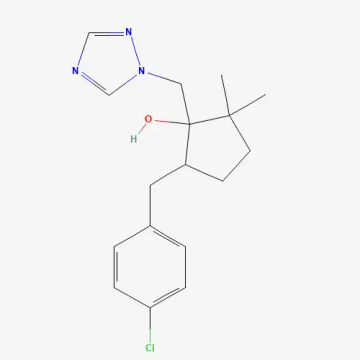
Description
Mode of action
Metconazole is a systemic triazole fungicide that acts by inhibiting the biosynthesis of ergosterol in fungal cell membranes. This disruption is lethal to a wide variety of plant pathogens.
By blocking the 14-alpha-demethylase enzyme, the chemical halts mycelial growth and spore development. This provides both protective and curative properties, effectively arresting disease progression.
The compound exhibits strong systemic movement within the plant, absorbing quickly into the leaves and distributing itself through the vascular system, which ensures long-lasting efficacy.
Beyond its antifungal effects, metconazole functions as a potent plant growth regulator. It helps optimize canopy architecture and strengthens root development, contributing to better crop lodging resistance.
Its high stability in plant tissues provides a sustained effect, minimizing the risk of infection recurrence during critical periods of crop development.
What it targets
Metconazole is highly effective against major fungal diseases, including various rust species, septoria leaf blotch, powdery mildew, and leaf spot diseases.
It is widely utilized in wheat and barley crops for controlling Fusarium head blight, which is essential for maintaining grain quality and reducing mycotoxin contamination.
In oilseed rape production, it is used to manage Phoma leaf spot, Alternaria, and Cylindrosporium, thereby protecting the overall pod integrity and seed quality.
The active substance targets a broad range of Ascomycetes and Basidiomycetes, making it a versatile tool for integrated pest management (IPM) strategies in diverse climatic zones.
The molecule's robust biological profile allows it to perform reliably even under challenging environmental conditions, providing growers with consistent results across multiple seasons.
Rates and timing
Application rates generally range between 0.5 to 1.5 liters per hectare, depending on the crop species, disease pressure, and the specific formulation used in the field.
Optimal timing is crucial and is typically advised at the onset of symptoms or when environmental conditions are conducive to disease outbreaks to ensure maximum disease suppression.
To avoid the buildup of fungal resistance, it is recommended to rotate metconazole with fungicides from different chemical classes, such as strobilurins or SDHIs.
Consistent coverage of the plant foliage is essential for optimal results. Using high-quality nozzles and adequate water volumes ensures the active ingredient reaches all parts of the canopy.
When used on rapeseed, application timing is often linked to specific vegetative stages to maximize both the fungicidal efficacy and the plant growth regulation benefits.
Restrictions
Metconazole is categorized as a substance requiring professional handling. Users must wear appropriate personal protective equipment (PPE), including gloves, goggles, and protective clothing during handling.
Strict precautions must be taken to prevent runoff into aquatic ecosystems. Environmental safety buffer zones should be strictly observed to protect water sources and non-target organisms.
Overdosing or applying during periods of severe plant stress (such as extreme drought) may cause transient phytotoxicity, which can manifest as stunting or leaf tip necrosis.
Storage must be confined to secure, cool, and well-ventilated areas, away from sunlight and out of reach of unauthorized individuals. Keep containers tightly sealed when not in use.
Disposal of empty containers and leftover solutions must comply with local and national environmental regulations to prevent contamination of soil and groundwater resources.
Content graph
Connections · Metconazole
Most often together:
Marketplace
Products · 18
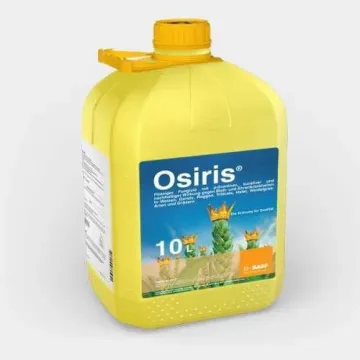


Carbama w.r.
БАСФ Агро БВ, Швейцарія, на заводі , Франція,Італія (Сієна)
Fungicides
0
0
·
42
1 offer
178 758.1 €per 1 l
Buy


