
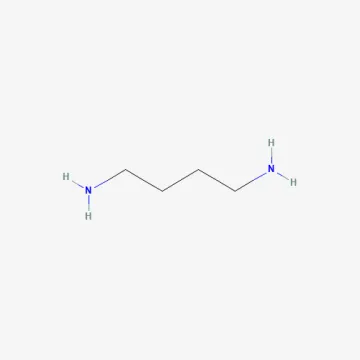
Putrescine
Description
Mode of action
Putrescine is a biogenic amine belonging to the aliphatic diamines class, utilized in modern agriculture as a targeted insect attractant.
Its primary mechanism of action involves mimicking specific chemical signals that insects use to locate food sources, host plants, or mating grounds.
By releasing controlled amounts of putrescine within a monitoring trap, farmers create a localized scent field that draws targeted pests away from the crops.
This method focuses on the behavioral disruption of insect populations rather than direct chemical extermination, making it a sustainable practice.
It is commonly integrated into sophisticated pest management systems, often in synergy with other pheromones or food-based attractants.
What it targets
The main targets for putrescine-based products are dipteran pests, particularly those from the Tephritidae family, known for damaging fruit and vegetable crops.
It is highly effective in monitoring and managing the Mediterranean fruit fly (Ceratitis capitata), a major global pest in horticulture.
The substance is also applied in vegetable production sectors to protect solanaceous crops from various fruit-boring fly species.
Because of its precise specificity, putrescine does not impact beneficial insects, such as bees, pollinators, or natural predators of other pests.
This allows for the maintenance of biodiversity within the orchard or field while effectively keeping harmful pest populations under control.
Rates and timing
Application rates are determined by the density of traps placed throughout the cropping area to ensure optimal coverage and scent dispersion.
Traps are usually deployed at the beginning of the fruit ripening phase, which coincides with the period when insects are most active and attracted to fruit volatiles.
The longevity of the attractant depends on the formulation and the climatic environment, with standard replacement intervals ranging from 4 to 8 weeks.
Placement height within the canopy or plant structure is critical to the efficacy of the attractant, as air circulation directly affects its distribution.
Monitoring frequency depends on the specific crop and the historical pest pressure, requiring regular inspections of trap contents for data collection.
Restrictions
Putrescine possesses no toxic insecticidal properties, meaning it cannot eliminate large-scale infestations without additional intervention strategies.
Storage requires keeping the substance in a cool, dark, and hermetically sealed container to prevent the degradation of its chemical properties.
Safety precautions during handling are necessary to avoid skin contact, and standard laboratory or field safety protocols should be strictly followed.
Environmental conditions such as extreme heat or heavy rain can alter the release rate of the substance, impacting the reliability of the monitoring data.
Effective management requires consistent maintenance of the trapping systems, as clogged or damaged traps will fail to attract the intended pest species.
Status in the European Union
Not approved in the EU
- CAS number
- 110-60-1
- Category (EU)
- AT - Attractant
- Approved from
- 01.09.2009
- Approval until
- 31.08.2019
- ADI
- Not appl.
- ARfD
- Not appl.
- AOEL
- Not appl.
EU status is for reference only and does not replace national registration in your country.