
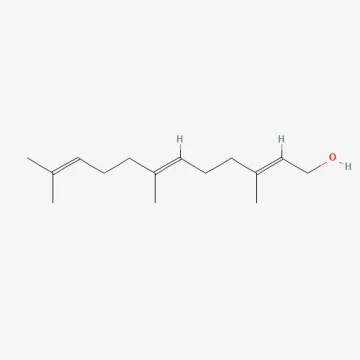
Farnesol
Description
Mode of action
Farnesol is an acyclic sesquiterpene alcohol naturally occurring in the essential oils of various plants. In agronomy, it serves as a signaling molecule that modulates physiological processes and plant defense mechanisms.
The mode of action involves the regulation of endogenous plant hormones, specifically influencing the metabolism of abscisic acid to improve overall stress tolerance and environmental adaptation.
As a bioactive compound, farnesol effectively suppresses quorum sensing in certain fungal pathogens, thereby disrupting the formation of biofilms and preventing successful colonization of plant tissues.
The application of farnesol stimulates the synthesis of phytoalexins, which are the plant's natural antimicrobial compounds produced in response to environmental or biological attacks.
Unlike synthetic chemical agents, farnesol acts as a mild physiological regulator, minimizing the metabolic stress typically caused by chemical pesticide applications during the growing season.
What it targets
The primary agricultural application of farnesol is the suppression of various fungal diseases, with particular efficacy against powdery mildew and related pathogen groups.
It is widely utilized in the protection of vegetable and fruit crops, where it helps mitigate the risk of infection in both greenhouse and open-field production systems.
Farnesol exhibits specific activity against certain bacterial pathogens, interfering with their cell-to-cell communication and reducing their ability to thrive on plant surfaces.
It is increasingly used to improve the phytosanitary status of crops during vulnerable growth stages, providing a protective barrier against potential fungal invasions.
By enhancing plant vigor and immune responses, farnesol also plays a indirect role in reducing the severity of secondary infestations by opportunistic pathogens.
Rates and timing
Application rates for farnesol-based products must be strictly aligned with the specific formulation concentration and the severity of the pest pressure observed in the field.
Effective treatment requires fine-mist spraying of the crop canopy, ideally performed during early morning or evening hours to minimize photo-degradation by sunlight.
To ensure consistent protection, a scheduled application program with intervals of 10 to 14 days is recommended throughout the active vegetative development phases of the crop.
Ensuring thorough coverage of the leaf surface with the working solution is crucial, as the contact-based activity of farnesol depends on direct interaction with pathogens.
The natural metabolic origin of the compound allows for short pre-harvest intervals, making it an excellent choice for sustainable and organic-compliant agricultural practices.
Restrictions
A primary limitation is the sensitivity of farnesol to ultraviolet light and high ambient temperatures, which can rapidly decrease its effectiveness if applied under intense sun.
Mixing farnesol with highly alkaline chemical agents should be avoided, as such combinations may destabilize the molecule and render the treatment ineffective.
Standard personal protective equipment should be used during handling, even though farnesol is generally recognized as having a low hazard profile for humans and pollinators.
Rainfall shortly after application can wash off the active compound, thus requiring careful monitoring of local weather forecasts before planning any field treatments.
Adherence to storage guidelines is essential to maintain the integrity of the compound, requiring cool and dark conditions to prevent chemical degradation over time.
Status in the European Union
Not approved in the EU
- CAS number
- 4602-84-0
- Category (EU)
- AT - Attractant
EU status is for reference only and does not replace national registration in your country.