
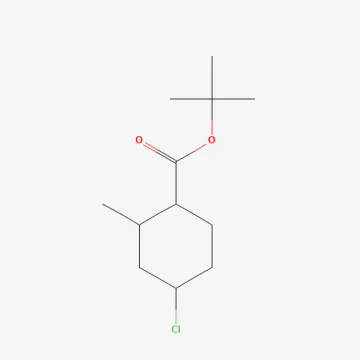
Trimedlure
Description
Mode of action
Trimedlur is a group of systemic fungicides whose activity is based on the specific inhibition of ergosterol biosynthesis in fungal pathogen cells. This is a fundamental component of cell membranes, without which the development of mycelium and spores becomes impossible.
Preparations based on this group act both translaminarly and systemically. Once on the plant surface, the active components quickly penetrate the tissues and are distributed acropetally, providing protection even to untreated parts of the plant.
The mechanism of action is characterized by high selectivity, which allows for effective suppression of pathogens without inhibiting the physiological processes of crop plants. Furthermore, the development of fungal resistance to this group occurs slowly.
The action of Trimedlur group fungicides is directed not only at prevention but also at therapy. They are capable of stopping the development of an infection even after the fungus penetrates the plant epidermis, exhibiting pronounced curative properties.
Due to the high penetration rate, the efficacy of the product is virtually independent of weather conditions, in particular from being washed off by precipitation shortly after application.
What it targets
The application spectrum of Trimedlur covers a wide range of pathogens from the classes of Ascomycetes, Basidiomycetes, and Deuteromycetes. The primary focus is on combating powdery mildew, various types of rust, and leaf spots.
Preparations of this group demonstrate high biological efficacy against the following diseases:
- Powdery mildew of all types on cereal and vegetable crops
- Brown and stem rust of cereals
- Septoria leaf and glume blotch
- Various types of helminthosporiosis and rhynchosporiosis
- Cercospora leaf spot on sugar beet
The use of these fungicides allows for effective protection of crops against a complex of leaf spots, which can reduce the photosynthetically active leaf area and lead to significant yield losses.
The group is also effective in combating root rots, which often affect cereal crops during early development phases, limiting the transport of nutrients through the vascular system of the stem.
Systematic use within integrated protection programs allows for lowering the infectious background in fields, which is crucial when growing crops using intensive technologies.
Rates and timing
Dosage rates depend on the specific formulation, the type of crop being treated, and the phytosanitary situation in the field. Usually, they vary in the range of 0.5 to 1.5 liters (or kg) of the finished product per hectare.
The optimal timing for application is at the beginning of the appearance of the first symptoms of the disease. For prophylactic purposes, treatment is carried out when humidity and temperature thresholds favoring pathogen development are met.
To achieve maximum effect, it is important to ensure high-quality coverage of the leaf surface with the working solution. The frequency of applications per season is usually limited to two treatments to prevent the accumulation of residual amounts.
The interval between treatments should be at least 14–21 days, depending on the intensity of disease development and the residual protective period of the product, which lasts on average from 3 to 4 weeks.
When preparing tank mixtures, a compatibility test is mandatory. Trimedlur combines well with most insecticides and plant growth regulators, but mixing with highly alkaline products is not recommended.
Restrictions
Working with the Trimedlur group requires strict adherence to personal safety measures: the use of protective clothing, gloves, and respirators. It is necessary to avoid direct contact of the concentrate with the skin and mucous membranes.
Spraying during periods of active bee foraging is prohibited, as products may pose a moderate risk to entomofauna if misused or if application regulations are violated.
It is necessary to strictly adhere to the pre-harvest intervals, which are established according to local legislation and vary from 20 to 40 days depending on the type of crop.
Environmental risks must be considered when working near water bodies. Discharging remaining working solution into sewage or natural water sources is strictly prohibited due to the high risk of toxic effects on aquatic organisms.
Storage of products should be carried out in specialized warehouse facilities at a temperature of 0 to +30 degrees, in places inaccessible to children and pets, away from food and feed.
Status in the European Union
Not approved in the EU
- CAS number
- 12002-53-8
- Category (EU)
- AT - Attractant
EU status is for reference only and does not replace national registration in your country.