
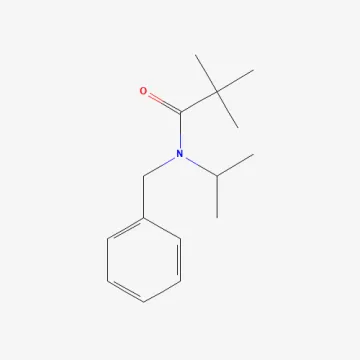
Tebutam
Description
Mode of action
Tebutam is a group of selective herbicides belonging to the urea derivative class. The active substances in this group penetrate the plant primarily through the root system, moving with water flow via the xylem to the above-ground organs.
The mechanism of action is based on blocking the photosynthesis process. Upon entering the chloroplasts, the components of this group inhibit electron transport in photosystem II, which leads to the cessation of carbohydrate and energy production.
As a result of metabolic disturbances, weed plants begin to experience acute nutritional deficiencies. The initial signs of injury include leaf edge chlorosis, which gradually progresses and leads to tissue necrosis.
The speed of the effect depends on soil moisture conditions and transpiration activity. In dry conditions, the action of the substances slows down because their uptake by roots from the soil solution is limited.
To achieve maximum efficiency, the presence of available moisture in the soil is necessary. Only with active water uptake can the target plant accumulate a critical concentration of the active substance sufficient for total destruction.
What it targets
Tebutam group preparations are primarily used to control a wide spectrum of annual dicotyledonous weeds. They are effective against species that are difficult to control with contact herbicides.
The list of target objects includes such resistant weeds as common lambsquarters, pigweed, and various types of knotweed and cruciferous weeds. The substance successfully inhibits their development in the early stages of vegetation.
The group holds particular importance in protecting perennial crops such as sugarcane, as well as certain industrial crops grown under intensive farming conditions.
The application of Tebutam is advisable in cases where a long-lasting soil effect is required. The substances maintain their activity for several weeks, preventing the germination of new weed waves.
It should be noted that effectiveness against perennial rhizomatous weeds may be insufficient, therefore, in such cases, it is recommended to use tank mixtures with systemic herbicides of a different mechanism of action.
Rates and timing
Application rates depend on the soil type and the level of organic matter content. Soils with high humus content require increased dosage, as the active substance binds actively to soil colloids.
The optimal timing for application falls within the pre-sowing or pre-emergence period of the main crop. With pre-emergence application, it is important to have moisture in the upper soil layer to activate the herbicidal barrier.
Preparations require strict adherence to regulations, as exceeding the rates can cause suppression of the crop plants. When working, it is necessary to use specialized equipment with properly adjusted nozzles for uniform distribution.
In the case of use on sugarcane plantations, treatment is often carried out on emerging weeds or just before canopy closure. This allows for the creation of a barrier that suppresses subsequent weed germination.
The agronomist must consider the weather forecast for the coming days. Heavy rainfall immediately after application can lead to the leaching of the active substance into the root zone of the crop, posing a risk of phytotoxicity.
Restrictions
The main limitation is high residual activity in the soil. This imposes strict requirements on crop rotation, as subsequent crops may in some cases suffer from the herbicide's carryover effect.
The use of the product near water bodies is strictly prohibited, as substances in this group have high mobility in some soil types and can pose a danger to aquatic ecosystems.
When working with Tebutam, safety precautions must be strictly followed. The use of personal protective equipment for the skin, respiratory organs, and eyes is mandatory to prevent staff intoxication.
Restrictions regarding waiting periods before harvest depend on the specific crop and the regulations of the country of use. Neglecting these periods can lead to the accumulation of residual amounts in the products.
Before preparing the working solution, a compatibility test must be performed if tank mixtures are planned. Incorrect mixing can cause sediment precipitation, rendering the treatment ineffective.
Status in the European Union
Not approved in the EU
- CAS number
- 35256-85-0
- Category (EU)
- HB - Herbicide
EU status is for reference only and does not replace national registration in your country.