
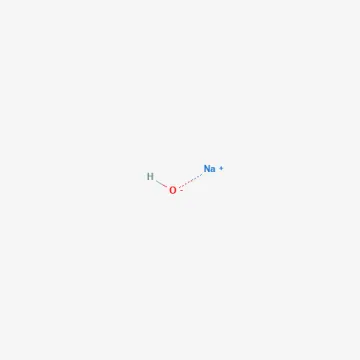
Sodium hydroxide
Description
Mode of action
Sodium hydroxide (NaOH), commonly referred to as caustic soda, is a potent alkaline agent used in agricultural settings primarily for its sanitizing properties and chemical adjustment capabilities. It is not an active ingredient for plant pest control in the traditional sense, but serves as a vital tool in farm management.
The disinfectant action of sodium hydroxide relies on its ability to cause protein denaturation and saponification of lipid structures in microbial cell membranes. This process effectively obliterates the protective barriers of bacteria, viruses, and fungi on non-living surfaces.
In agronomy, it is used to raise the pH level of water reservoirs or mixing tanks. This is critical for stabilizing specific pesticide formulations that are prone to degradation in acidic conditions, ensuring the chemical remains active during application.
It is also highly effective for cleaning irrigation systems by breaking down organic bio-films and mineral deposits. By dissolving these accumulations, sodium hydroxide prevents the proliferation of pathogens within irrigation lines and keeps emitters from clogging.
Users must be aware that sodium hydroxide is inherently phytotoxic. Direct contact with plant tissues leads to severe necrosis and chemical burns; therefore, its application must be strictly isolated from active cultivation areas and crops.
What it targets
The primary target of sodium hydroxide application is the eradication of persistent pathogens found on farming equipment, storage containers, and irrigation infrastructure.
It is used to neutralize bacterial leaf spots and viral particles that survive on pruning shears, knives, and other mechanical tools that come into contact with multiple plants.
Sodium hydroxide is frequently employed for the sanitization of greenhouse structures and storage facilities, helping to prevent the recurrence of mold and decay-causing organisms during the post-harvest period.
It is utilized to cleanse irrigation pipes and nozzles, clearing away organic slime and biofilm buildup that provides a refuge for root-rotting pathogens.
Additionally, it serves as a chemical agent to adjust the alkalinity of spray solutions, ensuring that the tank mix meets the chemical requirements for maximum effectiveness of various crop protection products.
Rates and timing
Concentrations for agricultural disinfection typically range from 0.5% to 2% solutions, depending on the intensity of contamination and the specific equipment material.
For irrigation system flushes, dosing is determined by water hardness and system volume, necessitating precise calculations to ensure all mineral and organic debris are removed effectively.
When adjusting tank mixes, the product is added incrementally under continuous pH meter monitoring to ensure the solution reaches the desired alkalinity without damaging the active pesticide ingredients.
Surface disinfection requires an exposure time of 30 to 60 minutes to ensure the alkaline solution has sufficient time to chemically degrade the targeted microbial colonies.
Equipment that has been treated with sodium hydroxide must be thoroughly rinsed with fresh water to remove any chemical residue before being reused in contact with crops or soil.
Restrictions
Due to its highly corrosive nature, sodium hydroxide requires full personal protective equipment (PPE), including heavy-duty gloves, safety goggles, and protective clothing, to prevent serious skin and eye damage.
Mixing concentrated sodium hydroxide with acids is strictly forbidden in uncontrolled settings, as the neutralization reaction is highly exothermic and can cause dangerous splashing and hazardous fumes.
Excessive soil exposure must be avoided, as high alkalinity dramatically changes soil structure and inhibits the availability of essential nutrients, potentially causing long-term damage to the field.
The substance must be stored in airtight containers, as it is highly hygroscopic and absorbs moisture and carbon dioxide from the air, which quickly degrades its chemical potency.
Waste management of used solutions must strictly comply with environmental regulations, preventing the discharge of high-pH effluent into local sewage systems or natural water bodies.
Status in the European Union
Not approved in the EU
- CAS number
- 1310-73-2
- Category (EU)
- HB - Herbicide
EU status is for reference only and does not replace national registration in your country.