
Sodium chloride
Description
Mode of action
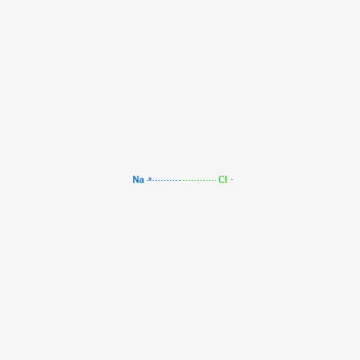
Sodium chloride (NaCl) is an inorganic compound utilized as a non-selective, contact-action herbicide. Its primary mechanism of action is the induction of osmotic stress, which dehydrates plant cells upon direct contact.
When applied to foliage, the salt draws moisture out of plant tissues, leading to rapid wilting, leaf desiccation, and cell necrosis. This process effectively halts photosynthesis and other essential plant metabolic functions.
In soil applications, high concentrations of sodium and chloride ions create an unfavorable chemical environment for roots. The excess of ions prevents the uptake of vital nutrients like potassium and calcium, leading to severe root system atrophy.
The substance exhibits no selectivity, meaning it indiscriminately damages all green vegetation it touches. Consequently, its use is strictly limited to non-crop land management.
Environmental conditions, specifically moisture, play a critical role in its effectiveness. Solubilized salt ions are more readily absorbed by root systems, enhancing the total herbicidal effect on the target vegetation.
What it targets
Sodium chloride is employed as a broad-spectrum herbicide to manage vegetation in non-agricultural areas where complete bare ground is desired.
Common application sites include road verges, railway embankments, industrial yards, and around structural foundations where plant growth creates fire hazards or structural damage.
It is used to eliminate persistent weeds that have developed resistance to more conventional systemic herbicides, offering a different mode of physical-chemical suppression.
The chemical is effective against a variety of annual and perennial weed species, provided the application rate is sufficient to overwhelm the plant's regulatory mechanisms.
It serves as an inexpensive method for total vegetation control on gravel paths, parking lots, and other areas where no future cultivation is intended.
Rates and timing
Application rates for sodium chloride are significantly higher than those for modern synthetic herbicides, often requiring kilograms per square meter for long-term sterilization.
The most effective timing for application is during the early stages of active growth, as weeds are highly metabolic and sensitive to osmotic imbalances.
When applied as an aqueous solution, the depth of penetration into the soil profile should be managed to avoid unintentional movement toward sensitive non-target zones.
Consecutive applications on the same site lead to irreversible soil salinization, rendering the land unsuitable for any agricultural use for an extended period.
Application should ideally occur during dry weather conditions to maximize the concentration of the salt in the treated area and minimize dilution by rainfall.
Restrictions
The main limitation of sodium chloride is its severe and long-lasting impact on soil structure and fertility. Excessive sodium leads to the formation of sodic soils and impairs soil permeability.
The chemical is highly corrosive to farm machinery, particularly spraying equipment and metal components. Immediate and thorough equipment cleaning is mandatory after each use.
The use of sodium chloride near surface water bodies is strictly prohibited, as it can lead to acute aquatic toxicity and disrupt local riparian ecosystems.
Due to its high mobility in soil solution, the risk of groundwater contamination must be carefully assessed before application on permeable soil types.
- Always wear appropriate personal protective equipment, including gloves and eye protection.
- Ensure no drift reaches neighboring crops, shrubs, or lawns.
- Avoid application on slopes where runoff could lead to environmental contamination.
Status in the European Union
Approved in the EU
- CAS number
- 7647-14-5
- Category (EU)
- HB - Herbicide
- Approved from
- 28.09.2017
EU status is for reference only and does not replace national registration in your country.