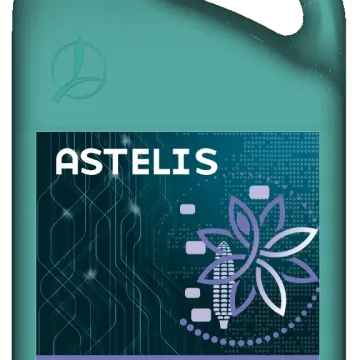
BTS-Phytospectr
Best Environmental Technologies
Plant Growth Regulators
0
0
·
90
1 offer
10.38 €per 1 l
Buy
Seaweed extracts, most commonly derived from the brown algae Ascophyllum nodosum, contain a rich blend of natural bioactive compounds. These extracts function not as pesticides, but as powerful biostimulants that prime the plant's physiological and metabolic pathways.
The primary mechanism of action is the influence of naturally occurring phytohormones such as cytokinins, auxins, and gibberellins. These hormones drive cell division, promote rapid root growth, and enhance photosynthetic efficiency, leading to higher vegetative vigor.
The chemical profile includes polysaccharides like alginates and laminarin, which help improve moisture retention in plant tissues. Betaines found in the extract play a crucial role in maintaining osmotic balance, which is essential during drought or soil salinity stress.
Regular application increases the activity of antioxidant enzymes that neutralize free radicals within plant cells. This strengthens cell walls and improves the overall structural integrity of the plant, making it more resilient to pathogen invasion.
By optimizing nutrient uptake from the soil, seaweed extracts help plants allocate resources more efficiently towards reproductive development. This results in larger fruit sizes, improved uniformity, and enhanced quality attributes of the final crop yield.
While not categorized as a standard pesticide, seaweed extracts are invaluable for managing abiotic stress. They are widely used to help crops withstand environmental pressures such as frost, heat waves, drought, and transplanting shock.
These products are applied across a vast range of crops, including cereals, corn, sunflower, vegetables, and fruit orchards. In early growth stages, they help seedlings recover faster from herbicide application or environmental stresses.
Applying the extract during key vegetative phases stimulates reproductive organ development, which is critical for vegetable crops like tomatoes, peppers, and cucumbers. It is also highly effective in orchards for improving fruit set and retention.
Seed treatments with seaweed extract are a proven technique to improve germination rates and seedling emergence. Seeds treated in this manner exhibit higher success rates even under suboptimal planting conditions.
The extracts act as excellent antidotes to chemical stress. When added to herbicide tank mixes, they mitigate phytotoxicity and allow the crop to recover more quickly from the treatment, minimizing the growth check usually associated with chemical weeding.
Typical application rates for foliar spraying range from 0.5 to 2.0 liters per hectare. Timing is essential, with the best results obtained when applications are synchronized with critical growth stages such as budding, flowering, or fruit development.
For fertigation or root drenching, doses should be adjusted based on the water volume and soil requirements. The objective is to ensure that the active ingredients are distributed effectively within the root zone for maximum uptake.
When used as a seed dressing, the dosage is calculated per ton of seeds. Ensuring uniform coverage is paramount to provide each seed with the biostimulant protection required during the critical germination phase.
Always conduct spraying during early morning or late evening hours to avoid intense UV radiation and high temperatures, which can negatively affect the delicate organic components within the seaweed extract.
For enhanced results, seaweed extracts are frequently combined with micronutrients in tank mixes. It is highly recommended to perform a compatibility test before mixing to ensure the stability of the solution and prevent any precipitation.
Although seaweed extracts are generally safe and environmentally friendly, operators should follow standard safety precautions. Avoid direct contact with eyes or skin, and use protective gear during the preparation of working solutions.
Do not exceed the manufacturer's recommended rates. Excessive stimulation can lead to imbalanced growth, where vegetative biomass increases at the expense of fruit production or quality. Always follow the specific product labeling.
Store the product in a cool, dark, and dry environment, ideally between +5 and +25 degrees Celsius. Prolonged exposure to heat or direct sunlight can degrade the biologically active compounds, rendering the product ineffective.
Avoid mixing seaweed extracts with highly alkaline compounds, as this can cause the active ingredients to precipitate and lose efficacy. Ensure the pH of the tank mix is checked and adjusted if necessary before application.
Remember that seaweed extracts are a support tool, not a substitute for traditional fertilization. They should be used as part of an integrated crop management program to unlock the full genetic potential of the crop in a given environment.
Not approved in the EU
EU status is for reference only and does not replace national registration in your country.