
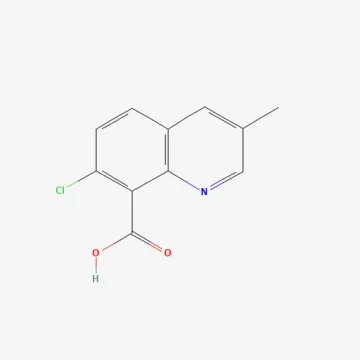
Quinmerac
Description
Mode of action
Quimerac is a systemic active ingredient belonging to the quinolinecarboxylic acid chemical class. It functions as an auxin-mimic herbicide, primarily affecting broadleaf weed development.
The mode of action involves the disruption of plant growth processes. By mimicking natural plant auxins, the substance induces uncontrolled cell division and expansion, leading to structural deformity and the eventual collapse of the weed's vascular system.
Quimerac exhibits both foliar and soil activity. This dual-action mechanism allows for the control of existing weeds while simultaneously inhibiting the germination of new weeds through the soil for several weeks.
After absorption through leaves or roots, the active compound is translocated via the xylem and phloem to the plant's meristematic tissues. This systemic movement ensures that the herbicide reaches the most active growth centers.
Visible symptoms, such as leaf curling and growth stunting, typically appear shortly after application. Complete control of target weeds usually takes between two to four weeks, depending on the environmental conditions.
What it targets
Quimerac is specifically designed to control a range of broadleaf weeds in cereal crops and oilseed rape. It is highly valued for its efficacy against specific species that are resistant to other herbicide groups.
The primary target of Quimerac is cleavers (Galium aparine). It remains effective against this weed even at more advanced growth stages, making it an essential tool for integrated weed management programs.
The herbicide also provides control over several other species, including Veronica and various Chenopodium species. The spectrum of controlled weeds can be optimized when used in tank mixtures with other active ingredients.
Implementing Quimerac in agricultural practices significantly reduces the competitive stress exerted by weeds during the early, critical stages of crop growth, ultimately supporting yield potential.
Because it targets specific metabolic pathways, Quimerac is an excellent partner in rotation strategies aimed at preventing the development of herbicide resistance in weed populations.
Rates and timing
Application rates for Quimerac are determined by the specific crop, the weed spectrum present, and the stage of development of the target species. Always follow the manufacturer’s label for precise dosage requirements.
The optimal timing for application is during the active growth phase of the weeds. For cleavers, treating at the 2 to 6 whorl stage ensures the highest level of systemic absorption and efficacy.
Soil moisture levels play a critical role in the herbicide's effectiveness. Adequate moisture ensures better uptake and supports the residual soil activity of the product, particularly in drier growing seasons.
Environmental factors such as temperature should be considered during application. Application should be avoided during periods of extreme heat or frost to ensure optimal plant absorption and prevent stress on the crop.
When planning crop sequences, growers should consider the potential for residual activity. While Quimerac typically degrades within the growing season, local soil conditions and moisture profiles should be monitored.
Restrictions
Stringent safety measures must be followed when handling Quimerac. Operators should wear appropriate personal protective equipment (PPE), including gloves, long-sleeved clothing, and respiratory protection if required.
To protect the environment, avoid spraying near water bodies, wetlands, or areas populated by sensitive non-target organisms. Application should be avoided in windy conditions to prevent spray drift.
Storage should be conducted in original containers within a cool, dry, and well-ventilated area. Protect the product from freezing and direct sunlight to maintain chemical stability and effectiveness.
Equipment sanitation is vital after using herbicides. Thorough cleaning of the sprayer is necessary to prevent contamination, especially when switching to applications on more sensitive crops.
Consult local agricultural regulations and professional guidance regarding the legal usage of Quimerac in specific jurisdictions, as registration statuses can vary by region and crop type.
Status in the European Union
Approved in the EU
- CAS number
- 90717-03-6
- Category (EU)
- HB - Herbicide
- Approved from
- 01.05.2011
- Approval until
- 31.12.2026
- ADI
- 0.08 mg/kg bw/day
- ARfD
- 0.3 mg/kg bw
- AOEL
- 0.08 mg/kg bw/day
EU status is for reference only and does not replace national registration in your country.