
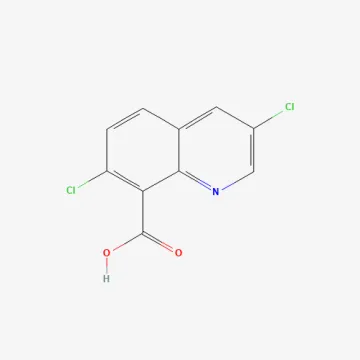
Quinclorac
Description
Mode of action
Quimerac belongs to the chemical class of quinolinecarboxylic acids. It is a systemic active ingredient that is absorbed through both the leaf surface and the root system of plants, offering a comprehensive mechanism of action.
The mode of action is classified as an auxin-like effect. The substance mimics natural plant hormones, causing uncontrolled growth, cellular deformation, and metabolic disruption in sensitive weed species, leading to their ultimate death.
The compound exhibits high selectivity, as target weeds are highly sensitive to its growth-disrupting effects, while cultivated crops possess the physiological ability to metabolize and neutralize the herbicide effectively.
A distinctive feature of Quimerac is its residual soil activity. This enables the control of subsequent flushes of weeds, extending the protection period beyond the initial moment of application.
Environmental factors, such as temperature and moisture, influence the metabolic rate of weeds and, consequently, the speed of action. The herbicide is most effective when plants are actively growing and not stressed by drought.
What it targets
Quimerac is primarily used to manage a broad spectrum of broad-leaved weeds. It is highly valued for its efficacy against difficult-to-control species that can significantly reduce crop yields.
It is particularly effective against Galium aparine (cleavers), making it an essential component of weed control programs in oilseed rape cultivation where cleavers pose a severe threat.
The herbicide also shows good efficacy against species such as white mustard, various types of geranium, and several knotweed species, provided the weeds are treated in their early developmental stages.
Due to its specialized activity, Quimerac is often used in tank mixtures to broaden the spectrum of controlled weeds, providing a robust solution for fields with mixed weed populations.
In addition to oilseed rape, Quimerac is applied in cereal production to handle specific broad-leaved weeds that are otherwise resistant to other herbicide classes, ensuring cleaner fields at harvest.
Rates and timing
The timing of Quimerac application is critical for success. It is typically applied during the early vegetative stages of weeds to ensure rapid uptake and minimal competition with the growing crop.
Application rates are determined by the specific weed species present, the density of the infestation, and the growth stage of the crop. Always refer to the product label for specific dosage requirements.
Optimal environmental conditions for application include moderate temperatures and adequate soil moisture, which help the herbicide distribute effectively in the soil and reach the plant roots.
Avoiding application during extreme weather conditions, such as frost or intense heat, is necessary to prevent crop stress and ensure the herbicide performs as expected without physiological interference.
When mixing Quimerac with other pesticides, a jar test for physical and chemical compatibility is recommended to prevent nozzle clogging or loss of biological efficacy.
Restrictions
Due to its persistence, crop rotation must be carefully planned when using Quimerac. Sensitive follow-on crops should not be planted until a sufficient time interval has passed to allow for natural degradation.
Spray drift must be strictly prevented, as the compound can cause significant phytotoxicity to adjacent non-target crops, such as legumes or vegetables, even at very low concentrations.
Operators must adhere to safety protocols, including wearing personal protective equipment (PPE) such as gloves, goggles, and respirators during the preparation and application process.
Storage should be in cool, well-ventilated areas, away from direct sunlight, and in the original, tightly sealed containers to maintain the chemical stability and safety of the product.
Application on very sandy or light soils should be monitored closely, as the potential for mobility in the soil profile may be higher under specific conditions, posing risks to groundwater or future crops.
Status in the European Union
Not approved in the EU
- CAS number
- 84087-01-4
- Category (EU)
- HB - Herbicide
EU status is for reference only and does not replace national registration in your country.