
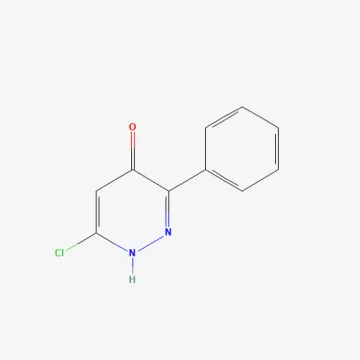
Pyridafol
Description
Mode of action
Pyridafol belongs to the pyridazinone chemical class, acting as a highly effective systemic herbicide in modern agronomy.
The mechanism of action involves the inhibition of photosynthesis in target weed cells by blocking electron transport in photosystem II, leading to growth cessation and death.
The active substance is primarily absorbed through the foliage and exhibits significant translocation capabilities, moving through the plant's vascular system to active growth points.
It demonstrates high selectivity, allowing its use in specific crops without imposing stress or damage to the primary cultivated plants.
The extended residual protection provided by pyridafol ensures reliable control of both annual broadleaf and some grass weeds during their early developmental stages.
What it targets
Pyridafol is specifically designed for the control of a wide spectrum of broadleaf weeds that compete for water and nutrients with crop plants.
Target species include common weeds such as Chenopodium album (lambsquarters), various Amaranthus species, Polygonum, and Solanum nigrum.
Highest efficiency is achieved when weeds are in the cotyledon or early two-leaf stage, highlighting the importance of timely application.
The use of pyridafol-based products is highly effective in cereal grain crops requiring rapid and reliable clearance of competing vegetation.
Specific formulations may also be applied in maize and other technical crops prone to heavy weed infestation.
Rates and timing
Application rates for pyridafol-based products vary depending on weed species composition, field infestation density, and the growth stage of the crop.
The optimal application time is during the period of active weed growth, as plants are most susceptible to herbicidal influence during this stage.
Agronomists calculate dosage based on local temperature and soil moisture levels, as these factors significantly influence plant absorption rates.
Treatment should be performed during early morning or evening hours with wind speeds within safety limits to prevent spray drift.
Achieving maximum results requires uniform coverage of the foliage, necessitating proper calibration of spraying machinery.
Restrictions
Handling pyridafol requires strict adherence to safety protocols, including the use of personal protective equipment for skin, eyes, and respiratory organs.
Spraying is strictly prohibited under adverse weather conditions, such as expected precipitation or extreme ambient temperatures that could stress crops.
Contamination of water bodies must be strictly avoided, as active ingredients can pose risks to aquatic fauna and microbial life.
Chemical storage must occur in specialized, dry facilities, ensuring temperature control to prevent degradation of the active components.
Disposal of empty pesticide containers must follow environmental regulations and manufacturer guidelines to prevent soil and water contamination.
Status in the European Union
Not approved in the EU
- CAS number
- 40020-01-7
- Category (EU)
- HB - Herbicide
EU status is for reference only and does not replace national registration in your country.