
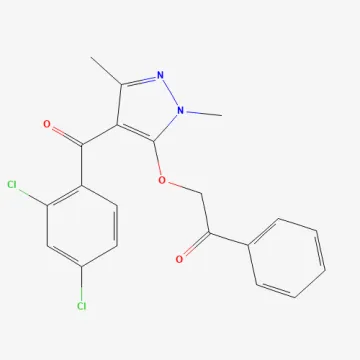
Pyrazoxyfen
Description
Mode of action
Pyrazoxyfen belongs to the pyrazole class of herbicides. Its primary mode of action involves the inhibition of photosynthesis in the cells of susceptible weed species.
The substance disrupts key biochemical pathways, specifically targeting carotenoid synthesis, which leads to the bleaching of plant tissues and the subsequent death of the target weeds.
As a systemic herbicide, it is quickly absorbed by the root system and foliage of the plants, then translocated throughout the weed via the xylem to provide comprehensive coverage.
A major advantage of pyrazoxyfen is its high selectivity towards certain crops. Rice plants possess specific metabolic pathways that detoxify the substance, ensuring safety when applied according to the label.
Its residual activity provides prolonged protection, preventing the emergence of new weed flushes for an extended period after the initial treatment of the fields.
What it targets
Pyrazoxyfen is primarily utilized in rice fields to control a wide spectrum of annual and perennial grasses, sedges, and selected broad-leaved weeds.
The herbicide is highly effective against major rice weeds such as barnyard grass and various species of sedge, which are known to compete aggressively with the crop.
It performs exceptionally well in aquatic environments, making it suitable for both irrigated rice cultivation and flooded field conditions common in modern rice production.
By effectively eliminating these competing weeds, pyrazoxyfen helps optimize nutrient and water uptake for the rice crop, significantly contributing to higher yield potential.
It serves as a valuable component in integrated weed management programs, particularly when dealing with weed populations that have developed resistance to other herbicide classes.
Rates and timing
Application timing for pyrazoxyfen is critical and depends on the growth stage of the rice and the pressure of the weed population. Early post-emergence application is generally recommended.
The application rate should be determined based on the weed species present and specific environmental conditions to ensure maximum efficacy without harming the crop.
Maintaining an appropriate water level in the rice paddy is essential for the optimal performance of the herbicide, as the water facilitates its distribution and uptake.
It is strictly recommended to follow the manufacturer's dosage guidelines, as excessive rates can lead to crop stress and negatively impact the development of the rice plants.
When mixing with other pesticides, a jar test for compatibility is advised to prevent chemical instability or reduced effectiveness of the combined products.
Restrictions
Users must follow strict safety protocols when handling pyrazoxyfen, including the use of appropriate personal protective equipment to prevent exposure to the skin, eyes, and respiratory tract.
Preventing runoff into natural water bodies is crucial, as the substance may pose risks to aquatic organisms if introduced into fisheries or sensitive freshwater ecosystems.
Application is restricted near drinking water sources and public recreational areas to maintain environmental safety and meet local regulatory requirements.
Storage should be in the original containers within a cool, dry, and well-ventilated area, away from direct sunlight, food, and animal feed to prevent accidental contamination.
Proper disposal of empty containers and chemical residues must strictly adhere to regional environmental regulations to avoid soil and groundwater pollution.
Status in the European Union
Not approved in the EU
- CAS number
- 71561-11-0
- Category (EU)
- HB - Herbicide
EU status is for reference only and does not replace national registration in your country.