

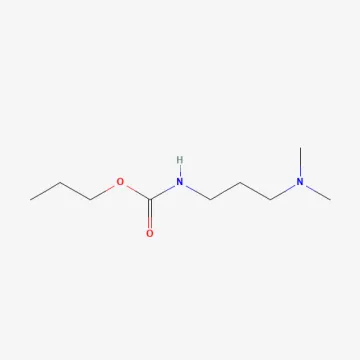
Active ingredient
Especially harmful
Propamocarb hydrochloride
Description
Mode of action
Propamocarb hydrochloride is a systemic fungicide belonging to the carbamate chemical class, widely used for its protective and curative properties.
The mode of action involves the inhibition of phospholipid and fatty acid synthesis within the fungal cells, which effectively halts mycelial growth.
Once absorbed by the plant, the substance exhibits high mobility, moving acropetally to protect newly developing tissues and roots.
Beyond its direct fungicidal activity, it acts as a plant growth stimulant, promoting stronger root development and healthier overall growth.
It interferes with spore germination and mycelial development, providing a robust defense against specific fungal pathogens.
What it targets
This active ingredient is primarily effective against pathogens from the Oomycetes class, which are responsible for significant crop losses.
It is specifically targeted at diseases such as root rots, damping-off, and various forms of downy mildew across several agricultural crops.
- Phytophthora blight on potatoes and tomatoes.
- Pythium damping-off in seedling nurseries.
- Downy mildew on cucumber, lettuce, and onions.
- Late blight in protected cultivation.
Rates and timing
Application is most commonly performed via soil drenching, drip irrigation, or seed treatment, ensuring the fungicide reaches the root zone.
Standard application rates vary by crop type, usually requiring a dilution of 0.1% to 0.15% solution for targeted soil treatments.
Seedlings should be treated immediately after sowing, with follow-up applications as necessary to maintain a protective barrier during early development.
For foliar application, it is essential to ensure full coverage of the plant canopy to prevent infection from spreading via spores.
Always adhere to the pre-harvest interval (PHI) specified on the product label, typically ranging from 14 to 21 days depending on local regulations.
Restrictions
Propamocarb hydrochloride should be handled with standard protective equipment, including gloves and goggles, to prevent irritation or ingestion.
To avoid the development of fungal resistance, it is recommended to rotate the use of this fungicide with products having different modes of action.
Avoid applying the product in adverse weather conditions, such as high winds, to prevent off-target drift and environmental contamination.
Ensure that runoff from treated fields does not enter waterways, as the substance can be harmful to aquatic life if present in high concentrations.
Keep the product in its original packaging, stored in a cool, dry place away from direct sunlight and out of reach of children or unauthorized personnel.
Regulatory
Status in the European Union
Approved in the EU
- CAS number
- 24579-73-5
- Approved from
- 01.10.2007
- Approval until
- 31.01.2027
- ADI
- 0.29 mg/kg bw/day
- ARfD
- 1.0 mg/kg bw
- AOEL
- 0.29 mg/kg bw/day
EU legislation
EU status is for reference only and does not replace national registration in your country.
Content graph
Connections · Propamocarb hydrochloride
Most often together:
Marketplace