

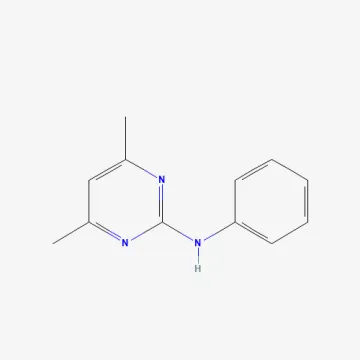
Description
Mode of action
Pyrimethanil belongs to the anilinopyrimidine chemical class. Its key feature is its ability to inhibit the biosynthesis of the amino acid methionine in pathogens.
The mechanism of action is based on suppressing the secretion of hydrolytic enzymes by the fungus, which are necessary for the pathogen to penetrate plant tissues and destroy them.
Due to its high fumigant capacity, the substance effectively redistributes in the gas phase, allowing protection of even those parts of the plant not reached during direct spraying.
The drug's action is characterized as both preventive and curative, allowing its use at the first signs of infection.
Pyrimethanil has a high rate of penetration into the leaf cuticle, ensuring resistance to rain wash-off within a few hours after application.
What it targets
The primary use of pyrimethanil is to control the causative agents of gray mold (Botrytis cinerea) on a wide range of crops.
The product effectively suppresses the development of scab on apple and pear trees, as well as other spots caused by pathogenic fungi.
It is actively used in vineyards to prevent berry rot, which is critical for maintaining the marketability and quality of the harvest.
It is applied to protected and open-ground vegetable crops, such as tomatoes, cucumbers, and strawberries, where the risk of gray mold infection is highest.
It is effective against a complex of fruit crop diseases that occur during the flowering and fruit set periods.
Rates and timing
Application rates depend on the crop type, infection pressure, and application method, typically ranging from 0.6 to 2.0 liters per hectare.
Applications should be performed preventively or at the first signs of disease before mass spore dissemination.
In vineyards, the critical phases for application are after flowering, before the berries close into bunches, and at the beginning of the ripening phase.
In orchards, treatments are often timed for the pink bud and flowering phases, which allows for control of primary scab infection.
When working in greenhouses, the frequency of application must be considered, usually no more than two to three times per season to prevent resistance.
Restrictions
A major requirement is adherence to an anti-resistance strategy: alternating pyrimethanil with fungicides from other chemical groups.
Pyrimethanil is relatively stable over a wide temperature range, though its effectiveness may decrease at extremely high temperatures.
When using the product, avoid contamination of open water bodies as the substance is toxic to aquatic fauna.
Pre-harvest intervals must be strictly followed according to the specific crop regulations, typically ranging from 7 to 21 days.
Personal protective equipment is mandatory when handling the product, as the substance can cause skin and mucous membrane irritation.
Content graph
Connections · Pyrimethanil
Most often together:
Marketplace