

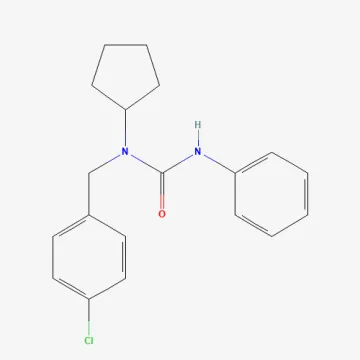
Description
Mode of action
Pencycuron belongs to the phenylurea class of chemicals and serves as a specialized contact fungicide. It is highly effective in inhibiting the cell division of certain fungal pathogens, which halts the development of the mycelium.
Unlike systemic fungicides, pencycuron acts primarily on the surface of plant parts. It forms a stable, persistent protective layer that prevents fungal hyphae from penetrating the plant tissues upon germination.
The substance remains stable on treated surfaces, resisting wash-off from rain and ensuring long-lasting protection during the crucial initial stages of crop growth and root development.
It exhibits selective action, targeting specific pathogenic fungi without adversely affecting the beneficial soil microbiome. This selectivity makes it a safe and essential component of modern potato cultivation programs.
Because it is not systemic, thorough and uniform application is essential to create a complete protective barrier around tubers or seeds, preventing any gaps in the defense against soil-borne diseases.
What it targets
The primary use of pencycuron is to control Rhizoctonia solani, which causes black scurf and stem canker in potatoes. This pathogen is responsible for significant yield losses and reduces the market value of the harvest.
It provides effective protection against both seed-borne and soil-borne inoculum. By preventing stem canker, it ensures that young sprouts emerge vigorously without being damaged by early infection.
In addition to potatoes, pencycuron is sometimes used to manage various fungal diseases in vegetable transplants, helping to secure healthy root systems during the establishment phase.
By effectively suppressing the formation of sclerotia on the skin of harvested tubers, the fungicide ensures a cleaner, more attractive product suitable for long-term storage and market distribution.
The chemical is often integrated into comprehensive pest management strategies to help minimize the overall impact of complex fungal syndromes in intensive agricultural production.
Rates and timing
Pencycuron is typically applied as a seed or tuber treatment. It can be applied either pre-planting or simultaneously with the planting process using specialized equipment fitted to potato planters.
Standard application rates vary depending on the product formulation, usually ranging from 0.2 to 0.5 liters per ton of planting material, diluted in 10 to 20 liters of water per ton.
The key to success is the uniform coating of the tuber surface. Growers must ensure that the spray equipment is properly calibrated to deliver the correct amount of active ingredient per unit of surface area.
It is compatible with various other seed treatment products, allowing for the creation of tank mixes that address multiple threats, such as simultaneous control of insects and secondary fungal pathogens.
Producers are advised to follow strict adherence to the manufacturer's label regarding volume and method of application to avoid phytotoxicity and ensure maximum efficacy.
Restrictions
Pencycuron is classified as moderately toxic to humans and the environment. Proper protective gear, including gloves, respirators, and goggles, must be used during handling and application to prevent exposure.
Environmental safety protocols must be strictly followed. Do not discharge waste, concentrated product, or spray washings into water bodies, drainage systems, or non-target areas.
Storage should be in cool, well-ventilated, and secure areas protected from direct sunlight and temperature extremes, keeping the substance out of reach of unauthorized personnel and animals.
If tank-mixing with other agrochemicals, always perform a compatibility test first. If the mixture shows signs of separation or precipitation, it should not be applied to the crop.
To avoid the development of resistance in target fungal populations, rotation with fungicides having different modes of action is highly recommended for long-term sustainable agricultural practices.
Regulatory
Status in the European Union
Not approved in the EU
- CAS number
- 66063-05-6
- Category (EU)
- FU - Fungicide
- Approved from
- 01.06.2011
- Approval until
- 31.05.2021
- ADI
- 0.2 mg/kg bw/day
- ARfD
- Not appl.
- AOEL
- 0.15 mg/kg bw/day
Hazard classification (CLP)
Aquatic Acute 1 - H400Aquatic Chronic 1 - H410
EU status is for reference only and does not replace national registration in your country.
Content graph
Connections · Pencycuron
Most often together:
Marketplace