
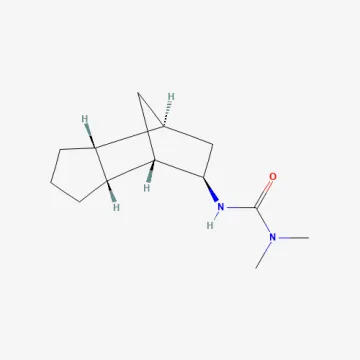
Noruron
Description
Mode of action
Noruron belongs to the chemical class of urea derivatives (phenylureas). This is a systemic herbicide, which is primarily absorbed by the plant root system from the soil solution.
The primary mechanism of action is the inhibition of photosynthesis. The substance interrupts electron transport in photosystem II, which leads to the cessation of weed growth and their subsequent death.
The activity of the preparation directly depends on soil moisture, as the active substance must be dissolved and delivered to the root hairs for effective uptake.
Preparations based on noruron have selective action, allowing for effective protection of crops while weeds are in the active germination phase.
The duration of the protective effect depends on the soil type and the amount of precipitation, as the compound undergoes gradual microbiological degradation.
What it targets
This group of substances is mainly used for the control of annual broad-leaved and some grass weeds in various agricultural crops.
It is effective against a wide range of weed grasses that cause serious problems in intensive agriculture, competing with crops for water and mineral resources.
Rates and timing
The timing of noruron application is usually aimed at the pre-emergence period or early phases of weed development to ensure maximum herbicide uptake.
Application rates depend on the soil texture: heavy loamy soils require higher concentrations than light sandy soils due to adsorption processes.
Restrictions
The use of noruron requires strict adherence to regulations, as high concentrations in the soil can damage crops under unfavorable weather conditions.
Deep soil cultivation after application is not recommended, as it can disrupt the integrity of the herbicide layer created in the topsoil.
When working with this substance, it is essential to use personal protective equipment to prevent the concentrate from coming into contact with skin or mucous membranes.
Status in the European Union
Not approved in the EU
- CAS number
- 2163-79-3
- Category (EU)
- HB - Herbicide
EU status is for reference only and does not replace national registration in your country.