
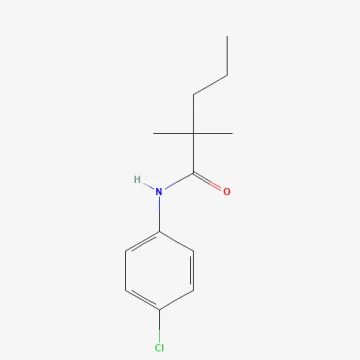
Monalide
Description
Mode of action
Monalide belongs to the amide chemical class and acts as a highly effective selective contact herbicide.
The mechanism of action is based on inhibiting the photosynthetic process within the cells of susceptible plants, leading to irreversible metabolic disorders.
The substance is primarily absorbed through the leaf surface, with limited translocation within the plant, classifying it as a contact-type agent.
Within weed cells, the active ingredient blocks electron transport in photosystem II, halting the production of energy required for growth.
Weed mortality is achieved through the rapid degradation of chlorophyll and subsequent desiccation of tissues under light exposure.
What it targets
Monalide is traditionally used for the control of a wide range of annual broad-leaved weeds in agricultural crop fields.
The highest susceptibility to this herbicide is observed in weed species at early developmental stages, particularly during the cotyledon or first true leaf phases.
Primary targets include weeds such as common lambsquarters, various knotweed species, and other small-seeded annuals.
The efficacy against perennial weeds with well-developed root systems is significantly lower, necessitating an integrated approach to crop protection.
Cultivated crops demonstrate tolerance to Monalide due to the selectivity of the preparation and their metabolic ability to degrade the herbicide molecules.
Rates and timing
The application of the preparation requires strict adherence to regulations, as the timing of spraying directly impacts field purity and crop yield protection.
It is recommended to apply the herbicide during periods of active weed growth under favorable weather conditions, avoiding rain risk immediately after application.
The spray volume rates must ensure uniform and sufficient coverage of the weed foliage to achieve the intended efficacy.
Operators must avoid spraying during high temperatures or strong winds to prevent drift and undesirable evaporation of the product.
Calibration of spraying equipment is a crucial aspect to ensure the required droplet size and even distribution of the herbicide across the field.
Restrictions
Handling Monalide requires strict adherence to personal safety measures, including the use of protective clothing, respirators, and gloves to prevent skin contact.
Environmental restrictions must be strictly observed to prevent the product from entering fish-farming water bodies and protected areas.
After spraying, it is essential to observe the mandatory waiting periods before performing manual or mechanical activities in the field.
Consideration must be given to potential crop rotation restrictions, as herbicide residues in the soil may affect sensitive subsequent crops.
- Store in a dry, cool place out of reach of children.
- Avoid mixing with incompatible products with antagonistic effects.
- Follow local regulations for the disposal of empty containers to comply with environmental standards.
Status in the European Union
Not approved in the EU
- CAS number
- 7287-36-7
- Category (EU)
- HB - Herbicide
EU status is for reference only and does not replace national registration in your country.