
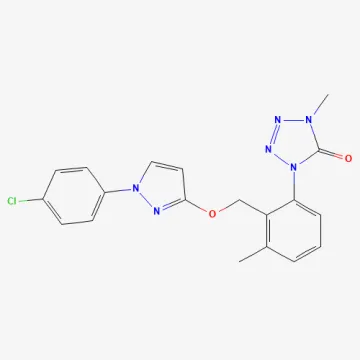
Metyltetraprole
Description
Mode of action
Methyltetraprole belongs to the novel chemical class of pyridinyl-ethyl-benzamides. This innovative active ingredient was developed to overcome pathogen resistance that has already adapted to traditional fungicides.
The mechanism of action is based on the inhibition of complex III in the fungal mitochondrial respiratory chain. The substance binds to the Qi site of the cytochrome bc1 complex, which fundamentally distinguishes it from strobilurins that act on the Qo site.
Due to its action on the Qi site, methyltetraprole is effective against fungal strains that have developed resistance to other fungicide classes, including Qo-site inhibitors (strobilurins).
The product exhibits pronounced systemic activity. It is capable of penetrating plant tissues, providing long-lasting protection for both already formed organs and new growth through acropetal movement.
The substance demonstrates high efficacy at various stages of the pathogen lifecycle, suppressing spore germination, mycelial growth, and the sporulation process of fungal organisms.
What it targets
Methyltetraprole is intended for the control of a wide spectrum of pathogens affecting agricultural crops. Primary focus is given to the protection of cereal crops and certain oilseed crops.
The substance shows the highest efficacy against leaf spot pathogens, such as Septoria species, which cause wheat septoria, a critical threat to crop yield.
The product also demonstrates activity against various rust species, including leaf rust, and other diseases that negatively impact the photosynthetic surface of crops.
Using this active ingredient helps significantly reduce the level of crop infection by Pyrenophora fungi, responsible for net blotch in barley.
Due to its specific effect on cellular respiration, fungicides based on methyltetraprole effectively prevent the premature senescence of the leaf apparatus, which is crucial for grain filling.
Rates and timing
The application of methyltetraprole requires strict adherence to manufacturer regulations specified in the product label. Treatments are usually carried out preventively or upon the appearance of the first disease symptoms.
Optimal timing falls within the phase of intensive crop growth when the risk of pathogen infection is highest. It is recommended to account for weather conditions to ensure maximum uptake of the substance.
Application rates vary depending on the target crop, infection pressure, and growth stage. Agronomists recommend following a differentiated approach to dosages.
To prevent the development of resistance in pathogens, it is vital to rotate methyltetraprole with fungicides having different modes of action, such as triazoles or SDHI groups.
When preparing tank mixes, physical compatibility of components should be checked to avoid loss of efficacy or phytotoxicity to crop plants.
Restrictions
When handling methyltetraprole, it is necessary to strictly follow personal protective measures, using protective clothing, gloves, safety goggles, and respirators to prevent contact with skin and mucous membranes.
Discharge of product residues and rinsing water into water bodies or sewage systems is strictly prohibited, as it can cause harm to aquatic organisms and the environment.
The product should be stored in its original packaging in a dry, cool place, inaccessible to children and animals, away from food, to exclude the risk of accidental poisoning.
It is important to observe pre-harvest intervals specified in regulations to ensure the absence of residual amounts of the active ingredient in marketed produce.
In case of contact with skin or eyes, immediately rinse the affected area with plenty of running water and seek professional medical assistance if necessary.
Status in the European Union
Pending
- CAS number
- 1472649-01-6
- Category (EU)
- HB - Herbicide
EU status is for reference only and does not replace national registration in your country.