
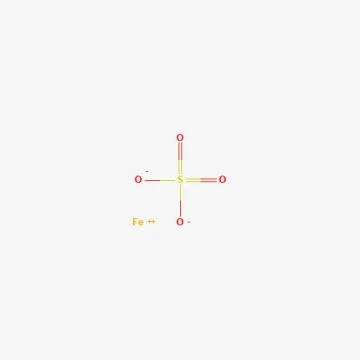
Iron sulphate
Description
Mode of action
Ferrous sulfate is a mineral compound widely used in horticulture as a contact fungicide and a source of essential iron for plants.
The chemical acts through an oxidative process that denatures the structural proteins of fungal spores and vegetative mycelium upon direct contact.
It exerts a strong antiseptic effect, creating a hostile environment for epiphytic organisms like mosses and lichens that grow on tree bark.
As a nutrient, it is highly effective in correcting chlorosis, a condition characterized by yellowing leaves due to the unavailability of iron in the soil.
The compound also acts as a soil acidifier, making it a valuable tool for growers of acid-loving plants such as blueberries, azaleas, and rhododendrons.
What it targets
The primary use is the control of fungal pathogens including apple scab, powdery mildew, moniliosis, and various leaf spot diseases.
It is specifically used for the mechanical and chemical removal of lichens and mosses from the trunks and branches of fruit and ornamental trees.
The chemical addresses iron deficiency (chlorosis) in trees and shrubs, restoring normal photosynthesis by providing an easily accessible form of iron.
It serves as a disinfectant for tree pruning wounds, frost cracks, and bark damage, preventing secondary fungal infections in exposed wood.
Beyond the field, it is used in storage facilities to kill mold and prevent rotting of vegetables and fruits during the winter season.
Rates and timing
For dormant season application to eliminate lichens and wintering fungal spores, a 3–5% concentration is typically recommended for orchards.
When addressing iron deficiency during the active growth phase, foliar sprays must be very dilute (0.1–0.5%) to avoid damaging tender foliage.
For the treatment of physical tree wounds, a higher concentration (5–10%) is applied directly to the site using a brush after cleaning debris.
Storage disinfection requires a 5–10% solution applied to all surfaces, ensuring thorough coverage of walls, ceilings, and storage racks.
Timing is crucial: most aggressive treatments must be conducted while plants are in their winter dormancy stage to prevent phytotoxicity.
Restrictions
Do not apply the product at high concentrations to green leaves, as it will cause immediate tissue necrosis and potential defoliation.
Ferrous sulfate is incompatible with lime or alkaline fertilizers; mixing them will cause chemical precipitation and negate the fungicide's effectiveness.
The substance is corrosive to iron tools and machinery, requiring careful cleaning of spray equipment immediately after use to prevent damage.
It is essential to wear protective gear, including gloves and goggles, as the solution can cause irritation to the skin, eyes, and respiratory tract.
The compound leaves persistent orange-brown stains on concrete, natural stone, and painted surfaces, necessitating caution during spray application.
Status in the European Union
Approved in the EU
- CAS number
- see remark
- Category (EU)
- HB - Herbicide
- Approved from
- 01.09.2009
- Approval until
- 30.11.2026
- ADI
- 0.8 mg/kg bw/day
- ARfD
- Not appl.
- AOEL
- 0.38 mg/kg bw/day
EU status is for reference only and does not replace national registration in your country.