
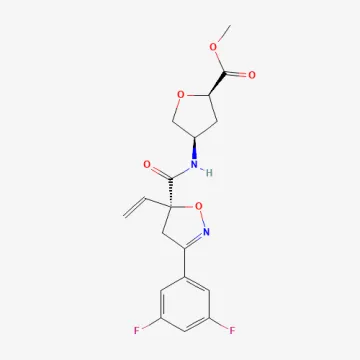
Icafolin-methyl
Description
Mode of action
The group of substances derived from Icafolin-methyl belongs to modern systemic fungicides with a broad spectrum of activity. The chemical structure of these compounds allows them to quickly penetrate plant tissues through the leaf surface, providing both external and internal protection.
The primary mechanism of action involves the inhibition of pathogen cellular respiration. The substance effectively suppresses the synthesis of specific fungal enzymes, leading to the cessation of mycelial growth and the prevention of spore formation.
The product exhibits a strong prophylactic and curative effect. Once absorbed by the plant, the active substance is evenly distributed through the xylem, protecting even those areas that were not directly treated.
Products based on Icafolin-methyl are highly resistant to rainfall washout, which is critical in regions with unstable climate conditions. The long-lasting protective period ensures up to 3-4 weeks of control over pathogens.
These compounds are frequently used in tank mixtures to prevent the development of resistance in fungal populations. Their synergy with other classes of fungicides significantly enhances the biological efficacy of crop protection.
What it targets
This group of substances is intended for combating a wide range of fungal diseases in agricultural crops. Key targets include members of the Ascomycota, Basidiomycota, and Deuteromycota classes.
The products show particular efficacy against leaf spot pathogens, various rust species, and powdery mildew. They are also actively used to suppress Septoria and Fusarium species during the early stages of vegetation.
The application of Icafolin-methyl is appropriate for crops such as winter and spring wheat, barley, corn, and sunflower. High efficacy is also noted when treating legumes during periods of active vegetative mass growth.
Using these products allows for a significant reduction in harvest losses from diseases like gray mold and Alternaria. Regular pathogen control contributes to preserving the natural photosynthetic potential of the crop.
- Rust (brown, stem, yellow)
- Powdery mildew of all types
- Septoria leaf and glume blotch
- Fusarium diseases
- Leaf spot diseases (net blotch, dark brown spot)
Rates and timing
Application rates for active substances in this group vary depending on the severity of crop infection and the plant growth stage. The standard dosage ranges from 0.5 to 1.5 liters of product per hectare.
The optimal time for spraying is at the onset of the first visual signs of disease. Prophylactic treatments allow for maximum results and better resource management for the farm.
For high-yield cereal varieties, two applications are recommended. The first is conducted during the jointing stage, and the second at the flag leaf stage, which protects the head during flowering and grain filling.
It is important to ensure the quality of the working solution: water acidity should be neutral. The addition of adjuvants can improve the penetration efficiency of the active components into the plant cuticle.
Operations should be performed in the morning or evening hours in the absence of strong wind and direct sunlight. This reduces the risk of premature degradation of active substances under UV exposure.
Restrictions
Icafolin-methyl requires strict adherence to safety protocols when working with pesticides. Personnel must use personal protective equipment for respiratory organs, skin, and mucous membranes.
Discharge of product residues or wash water into water bodies and sewage systems is strictly prohibited. Access to storage areas must be restricted for unauthorized persons, children, and livestock.
There are time restrictions for re-entry into the field after treatment, typically ranging from 3 to 7 days depending on the specific product regulations. Pre-harvest intervals (PHI) must be strictly followed for the safety of end consumers.
Prolonged use of the same product may lead to the emergence of resistant fungal strains. Rotating with fungicides from other chemical classes that have a different mechanism of action is highly recommended.
Consider potential phytotoxicity for certain crop types in case of overdose. Carefully read the label before mixing with micro-fertilizers or insecticides to avoid precipitation or reduced efficacy.
Status in the European Union
Pending
- Category (EU)
- HB - Herbicide
EU status is for reference only and does not replace national registration in your country.