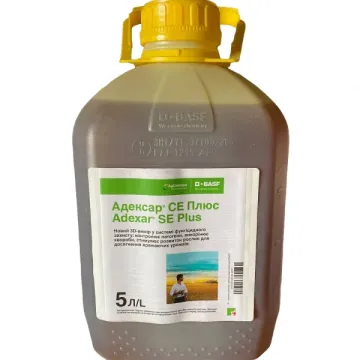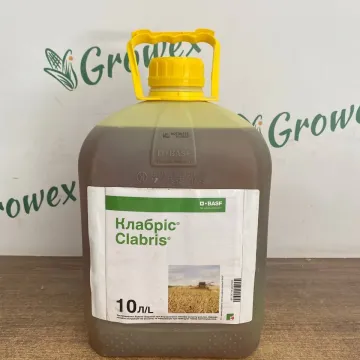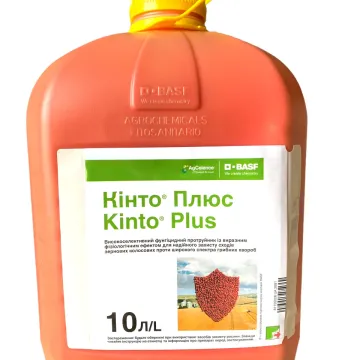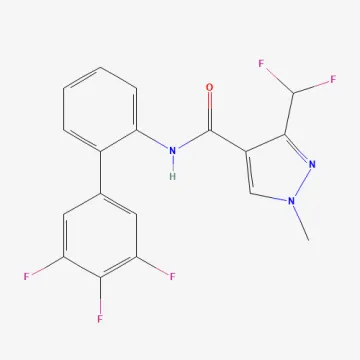
Description
Mode of action
Fluxapyroxad belongs to the carboxamide chemical class and acts as a succinate dehydrogenase inhibitor (SDHI), disrupting the mitochondrial respiration of fungal cells.
The substance possesses excellent systemic properties, allowing it to penetrate plant cuticles quickly and move through the vascular system to protect new growth.
It provides both preventive and curative action, effectively stopping the development of fungal spores and mycelial growth on the plant tissue.
This active ingredient is known for its high level of stability and longevity, offering consistent protection even under adverse environmental conditions.
Its unique chemical structure ensures rapid uptake into the plant, which enhances its efficacy against deep-seated fungal infections.
What it targets
Fluxapyroxad is highly effective against a wide array of pathogens, including rusts, leaf spots, powdery mildew, and various seed-borne diseases.
It is widely used in cereals to manage diseases such as Septoria, net blotch, and various rust complexes that significantly reduce grain yields.
Beyond cereal crops, it is applied in corn, soybeans, and horticultural crops to protect foliage and fruits from late-season fungal attacks.
As a seed treatment, it provides early-season protection against soil-borne pathogens, ensuring strong crop establishment and higher seedling vigor.
- Wheat rusts (Puccinia spp.)
- Septoria tritici blotch
- Net blotch and spot blotch
- Powdery mildew
- Rhizoctonia root rot
Rates and timing
Application rates for Fluxapyroxad are strictly dependent on the target crop, disease pressure, and the specific formulation used by the manufacturer.
Field application rates typically range from 50 to 150 grams of active ingredient per hectare depending on the severity of the infection.
The timing of application should be optimized based on the disease forecasting models to prevent the spread of infections during critical crop growth stages.
For seed treatment applications, rates are calibrated based on the weight of the seeds to ensure uniform coating and appropriate dosage per seed.
Consistency in spray volume and application method is essential to maximize the biological efficacy and longevity of the chemical control.
Restrictions
Users must wear appropriate personal protective equipment (PPE) including goggles, chemical-resistant gloves, and respiratory protection during mixing and application.
Fluxapyroxad is hazardous to aquatic life; therefore, it is vital to maintain buffer zones near water bodies and prevent runoff into drainage systems.
To avoid the selection of resistant pathogen strains, it is recommended to implement an anti-resistance management program by alternating with different fungicidal groups.
Pre-harvest intervals (PHI) must be strictly followed to ensure that residue levels in the harvested produce are within legal safety limits.
Always store the product in a secure, dry, and well-ventilated area, keeping it in the original packaging away from direct sunlight and temperature extremes.
Regulatory
Status in the European Union
Approved in the EU
- CAS number
- 907204-31-3
- Category (EU)
- FU - Fungicide
- Approved from
- 01.01.2013
- Approval until
- 31.10.2027
- ADI
- 0.02 mg/kg bw/day
- ARfD
- 0.25 mg/kg bw
- AOEL
- 0.04 mg/kg bw/day
EU legislation
EU status is for reference only and does not replace national registration in your country.
Content graph
Connections · Fluxapyroxad
Most often together:
Marketplace
Products · 11