
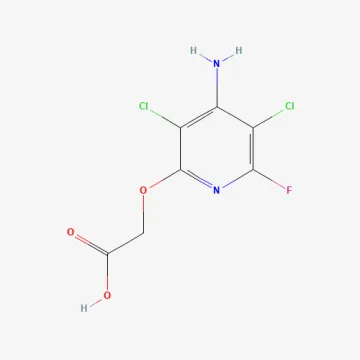
Fluroxypyr
Description
Mode of action
Fluroxypyr is a systemic herbicide belonging to the pyridine carboxylic acid chemical class. It is absorbed by the foliage and rapidly translocated through the plant's vascular system to the meristematic tissues.
The mode of action mimics the natural plant hormone auxin (indoleacetic acid). Upon application, it causes abnormal and uncontrolled growth in sensitive weed species, leading to severe cell disruption.
Treated plants exhibit characteristic curling and twisting of stems and leaves within hours. Eventually, the growth processes stop completely, and the weeds die off within one to three weeks post-application.
The high selectivity of fluroxypyr is based on the ability of cereal crops to rapidly metabolize the substance into non-toxic forms, ensuring that the target weeds are eliminated without damaging the crop.
Most commercial formulations are based on fluroxypyr esters, which are lipophilic and possess superior penetration qualities, allowing the product to pass through the leaf cuticle effectively even in suboptimal weather.
What it targets
This herbicide is specifically effective against a wide range of broad-leaved weeds. It is widely recognized as the premier solution for managing cleavers (Galium aparine) at various growth stages.
It also provides control over difficult-to-manage species such as field bindweed, knotweed, various knotgrass species, chickweed, and certain nightshade family members.
It is predominantly used in cereal crops like wheat, barley, oats, and rye, as well as in maize fields and established grasslands to control unwanted shrubby vegetation.
Its ability to control weeds even at advanced stages of growth makes it an essential tool for farmers when early weed management has been missed or delayed.
Fluroxypyr is often used in tank mixtures with other herbicides to broaden the spectrum of control and to act as a resistance management tool against herbicide-resistant weed biotypes.
Rates and timing
Application rates typically range from 0.3 to 0.8 liters of product per hectare, depending on the specific weed species present and their current growth stage in the field.
For cereal crops, the best window for application is from the tillering stage up to the start of stem elongation, which ensures maximum efficacy and crop safety.
In maize production, application is usually recommended at the 3 to 5-leaf stage. Timely application prevents competition from weeds during the crop's most vulnerable development phases.
When used for pasture management to control woody perennials, dosage rates may be adjusted upwards as specified by the product label requirements.
Ideal conditions for application include temperatures between 10°C and 25°C. The product is rainfast shortly after application, usually within 1 to 2 hours, due to its rapid leaf absorption.
Restrictions
Extreme care must be taken to prevent spray drift onto sensitive neighboring crops, such as legumes, vegetables, or sugar beets, as they are highly susceptible to damage from fluroxypyr.
Fluroxypyr does not provide residual soil activity. Consequently, it cannot prevent the germination of new weed seeds appearing after the herbicide has been applied.
Do not apply the herbicide if the crops are under stress due to drought, frost, or waterlogging, as this can reduce plant metabolism and increase the risk of temporary phytotoxicity.
Always verify compatibility when mixing with other pesticides. Conduct a small-scale jar test before preparing a full tank mix to avoid physical or chemical inconsistencies.
Operators must adhere to safety protocols, including wearing appropriate personal protective equipment (gloves, goggles, coveralls) to avoid direct exposure to the concentrated chemical.
Status in the European Union
Approved in the EU
- CAS number
- 69377-81-7
- Category (EU)
- HB - Herbicide
- Approved from
- 01.01.2012
- Approval until
- 15.02.2027
- ADI
- 0.8 mg/kg bw/day
- ARfD
- Not appl.
- AOEL
- 0.8 mg/kg bw/day
EU status is for reference only and does not replace national registration in your country.