

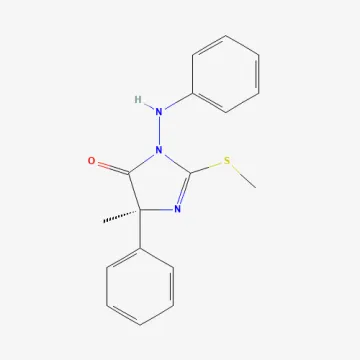
Description
Mode of action
Fenamidone belongs to the imidazolinone chemical class and is a highly effective fungicide with local-systemic action. The substance blocks the mitochondrial respiration process of the pathogen by inhibiting the activity of cytochrome c-oxidase in the respiratory chain of fungal cells.
By disrupting energy metabolism, fenamidone rapidly halts mycelial growth and spore development. The preparation penetrates plant tissues, ensuring reliable protection both on the surface and within the leaf.
The active substance has a pronounced curative and antisporulant effect. It not only destroys existing infection centers at early stages but also prevents the formation of new spores, thereby curbing further disease spread in crops.
Fenamidone is frequently used in combination formulations, which allows for a broader spectrum of action and minimizes the risk of resistance developing in disease pathogens. Combining it with other fungicides significantly enhances overall protective efficacy.
Applying fenamidone requires adherence to temperature conditions and the correct selection of tank mixes. It demonstrates high resistance to rainfall wash-off, ensuring prolonged protection of crops during periods of high humidity.
What it targets
The primary use of fenamidone is to combat oomycetes, particularly agents causing downy mildew and late blight. It is an indispensable tool for protecting vegetable, fruit, and field crops against the most dangerous fungal infections.
The substance is most widely used in protecting potatoes against late blight, where it effectively suppresses the pathogen on both leaves and stems. This helps preserve the foliage and ensures full tuber development.
Fenamidone is also successfully used in vineyards to combat downy mildew (Plasmopara viticola). The preparation protects inflorescences and berries, preventing significant yield losses under high infection pressure during active vine growth.
It is effective against a range of other diseases caused by oomycete-class fungi. Systematic use of the preparation allows for pathogen population control in areas where other agents demonstrate insufficient results.
Fenamidone application is justified in integrated plant protection systems, where a high degree of control over disease agents is required with minimal negative impact on the environment and beneficial entomofauna.
Rates and timing
Application rates for the preparation depend on the crop type, level of crop infestation, and weather conditions. Typically, working solutions are prepared based on manufacturer recommendations regarding the active substance concentration per hectare.
Treatments are usually performed prophylactically or upon the appearance of initial disease symptoms. It is important to prevent mass pathogen development, as a preventative strategy allows for the maximum potential of the fungicide.
Pre-harvest waiting periods are strictly regulated and typically range from 14 to 21 days. This interval is necessary to ensure that the concentration of active components in the produce decreases to safe levels established by sanitary standards.
Intervals between repeat sprayings are usually 7–12 days, depending on infection development intensity and vegetative mass growth rates. Frequent treatments require mandatory rotation with fungicides from other chemical groups.
When working in greenhouse conditions or open fields, high-quality equipment must be used to ensure uniform coverage of the entire plant surface for optimal curative effect.
Restrictions
Fenamidone requires adherence to standard safety measures adopted when handling pesticides. Using the preparation in water protection zones is strictly prohibited due to its potential toxicity to aquatic organisms.
Personnel conducting the treatment must use a full set of personal protective equipment, including respirators, protective overalls, gloves, and goggles. This prevents accidental contact with the concentrate on skin or mucous membranes.
The preparation should be stored in its tightly closed original packaging in dry, cool rooms, inaccessible to children and pets. Storage near food products and animal feed is strictly prohibited.
Treatments are not recommended during periods of strong wind or intense sunlight, as this reduces the efficacy of the preparation and increases the risk of drift onto neighboring crops or adjacent territories.
In case of a spill, decontamination of the polluted surface must be performed using absorbents. Disposal of residues and containers must be carried out in strict accordance with local environmental legislation.
Content graph
Connections · Fenamidone
Most often together:
Marketplace
Products · 7


