
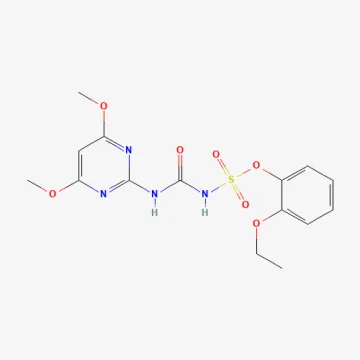
Ethoxysulfuron
Description
Mode of action
Ethoxysulfuron is a systemic herbicide belonging to the sulfonylurea chemical class, widely used in modern crop protection.
The core mechanism of action is the inhibition of the acetolactate synthase (ALS) enzyme within susceptible weed species.
By blocking this essential enzyme, the herbicide disrupts the synthesis of branched-chain amino acids, specifically valine, leucine, and isoleucine.
This metabolic block immediately halts weed growth, preventing competition for sunlight, water, and soil nutrients.
The systemic nature of the compound ensures that it travels throughout the weed's vascular system, leading to gradual but total plant mortality.
What it targets
This active ingredient is highly effective against a broad range of broadleaf weeds that affect agricultural production.
Ethoxysulfuron is specifically noted for its superior control over sedges, making it a critical tool in rice cultivation.
It provides long-lasting control of perennial weeds that are typically resistant to less specialized chemical treatments.
The spectrum of control includes species like nutsedges, plantains, and other invasive weeds that threaten yield potential.
- Sedge family weeds
- Broadleaf weeds in cereal crops
- Persistent aquatic and semi-aquatic weeds
Rates and timing
Application rates for ethoxysulfuron are dictated by the target weed density and the developmental stage of the main crop.
For best efficacy, the product should be applied when weeds are in their active growth phase to ensure maximum uptake.
Correct timing is essential, as the herbicide is most efficient when absorbed through foliage during periods of metabolic activity.
Always adhere to the manufacturer's label to avoid potential phytotoxicity or excessive residues in the treated field.
Frequency of application is strictly regulated to maintain soil health and adhere to responsible chemical management practices.
Restrictions
When using ethoxysulfuron, growers must account for residual activity in the soil, which might affect subsequent crop rotations.
Weather conditions, such as extreme temperatures or high wind speeds, can significantly impact efficacy and pose drift risks.
Personal Protective Equipment (PPE) is mandatory during preparation and application to prevent skin or respiratory exposure.
It is vital to perform a thorough cleaning of spray equipment after application to avoid carry-over damage in future field operations.
Strict safety protocols must be followed to minimize the environmental impact and ensure the product does not contaminate water sources.
Status in the European Union
Not approved in the EU
- CAS number
- 126801-58-9
- Category (EU)
- HB - Herbicide
- Approved from
- 01.07.2003
- Approval until
- 31.03.2014
- ADI
- 0.04 mg/kg bw/day
- ARfD
- Not appl.
- AOEL
- 0.06 mg/kg bw/day
EU status is for reference only and does not replace national registration in your country.