
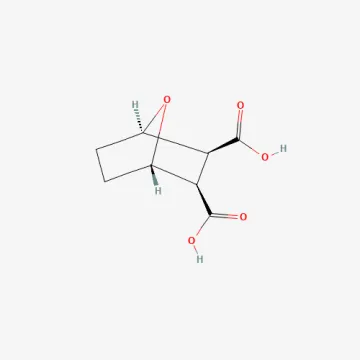
Endothall
Description
Mode of action
Endothall is a selective contact herbicide frequently formulated as dipotassium or amine salts. Its chemical structure allows it to effectively disrupt plant metabolic processes.
The herbicide works by inhibiting plant respiration and protein synthesis, leading to the rapid destruction of plant tissues. This makes it highly effective for managing nuisance aquatic vegetation.
Unlike systemic herbicides, endothall does not translocate within the plant vascular system, necessitating thorough coverage of the target weeds to ensure efficacy.
In aquatic environments, the substance is subject to microbial degradation. The rate of this breakdown is highly dependent on water temperature and the level of biological activity present.
Endothall acts by causing the rapid breakdown of cell membranes, which is why it is widely utilized for clearing water bodies and irrigation canals from dense weed growth.
What it targets
The primary use of endothall is the control of submerged aquatic vegetation that impairs the function of irrigation systems, reservoirs, and aquaculture ponds.
It is particularly effective against various species of pondweed, elodea, and milfoil, as well as filamentous algae that clog hydraulic infrastructure.
In specific agronomic practices, it serves as a harvest aid (desiccant) for certain crops, helping to accelerate maturation and simplify mechanical harvesting operations.
By removing weed biomass, endothall helps restore flow capacity in irrigation channels, ensuring better water management for agricultural fields.
The susceptibility of different weed species to endothall can vary, which requires careful assessment of the flora composition before scheduling an application.
Rates and timing
Application timing for endothall is strictly linked to the active growth phase of the weeds, when their metabolic processes are most vulnerable to the herbicide.
Dosage rates are calculated based on the volume of water and its depth, as maintaining the correct concentration is vital for both weed control success and environmental safety.
When used as a desiccant, application timing is determined by the physiological maturity of the crop to ensure optimal moisture levels for harvesting.
Proper distribution of the active ingredient throughout the water column is essential, requiring specialized equipment for uniform delivery.
Users must adhere to the recommended application intervals to avoid excessive buildup of the compound or its metabolites in the treated area.
Restrictions
Endothall is a toxic substance, and handling it requires strict adherence to safety protocols, including the use of protective clothing and respiratory equipment.
When used in fish-bearing waters, caution is required because the rapid decomposition of killed weeds can cause a temporary drop in dissolved oxygen levels.
Untreated water used for human consumption must not be contaminated with endothall until the compound has fully degraded according to established standards.
Environmental factors, such as water temperature and turbidity, significantly impact the degradation rate and overall effectiveness of the treatment.
Compliance with local environmental regulations and waiting periods is mandatory to minimize potential impacts on non-target aquatic organisms.
Status in the European Union
Not approved in the EU
- CAS number
- 145-73-3
- Category (EU)
- HB - Herbicide
EU status is for reference only and does not replace national registration in your country.