
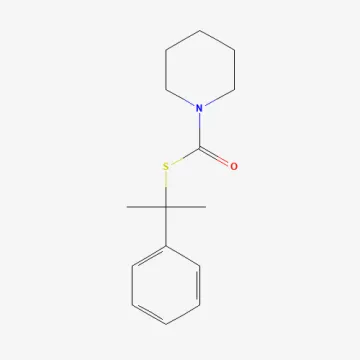
Dimepiperate
Description
Mode of action
Dimepiperate belongs to the thiocarbamate chemical class. It is a systemic active ingredient with selective herbicidal action that is effectively absorbed by the root system and seedlings of weeds.
The mechanism of action of dimepiperate involves inhibiting cell division in the meristematic tissues of susceptible weeds. The product disrupts lipid metabolism and protein synthesis, leading to the rapid cessation of weed growth immediately after germination.
The product shows high activity when applied to the soil or water used for irrigation of rice paddies. Due to its systemic nature, the active ingredient moves rapidly to the weed growth points, preventing new shoots during the critical crop development period.
The herbicide is characterized by selectivity toward the main crop — rice. It suppresses weeds before they start competing with rice for nutrients, sunlight, and water, which is crucial for forming a healthy harvest.
In the soil environment, dimepiperate undergoes biological and chemical degradation, which prevents its accumulation in deeper soil layers when application regulations are followed, making it relatively safe for subsequent crops in rotation.
What it targets
The primary purpose of dimepiperate is to control a wide range of grasses and some broad-leaved weeds infesting rice paddies.
The product is most effective against the following weed species:
- Echinochloa crus-galli (barnyard grass)
- Cyperus difformis
- Various species of Sagittaria
- Alisma plantago-aquatica
Using this herbicide allows for a significant reduction in weed infestation in the early stages of vegetation, preventing weeds from overgrowing the crop.
The effectiveness of dimepiperate application directly depends on the species composition of weeds in a specific field, so phytosanitary monitoring is recommended before treatment.
Rates and timing
Dimepiperate is mainly applied by addition to irrigation water or by spraying the soil surface after sowing or when weed seedlings emerge.
The application rate depends on soil type, the degree of infestation, and the specific formulation produced by the plant protection product manufacturer.
Optimal timing falls during the weed germination phase, as the product has a strong soil-applied effect and works best against young seedlings.
An important condition for high efficiency is maintaining a specific water layer in the paddies, which facilitates the uniform distribution of the active ingredient in the root zone.
Exact dosages should be checked in the instructions for each specific commercial product, as they may vary depending on the concentration of the active ingredient.
Restrictions
Dimepiperate requires careful handling due to its toxicity to aquatic organisms, which necessitates strict control over water discharge from rice paddies.
Application near fisheries or water bodies is prohibited, as the product entering the water can cause the death of aquatic organisms.
When working with the product, it is necessary to use personal protective equipment for the skin, respiratory system, and eyes to avoid direct contact with the concentrated substance.
Storage must be carried out in original packaging in cool, dry, and ventilated areas, out of reach of children and pets.
After the harvest waiting period expires, it is necessary to test for residual amounts of the substance in the grain to confirm compliance with safety standards.
Status in the European Union
Not approved in the EU
- CAS number
- 61432-55-1
- Category (EU)
- HB - Herbicide
EU status is for reference only and does not replace national registration in your country.