
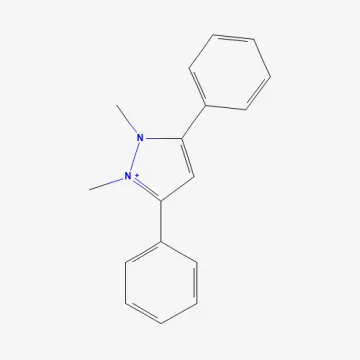
Difenzoquat
Description
Mode of action
Difenzoquat belongs to the chemical class of pyrazolium derivatives. It is a systemic post-emergence herbicide that is primarily absorbed by the leaves of weeds shortly after application.
The active ingredient moves rapidly through the plant phloem to the areas of active growth, known as meristematic tissues. In these zones, the substance inhibits cell division, leading to a complete cessation of weed growth.
The product exerts an inhibitory effect on the weed's physiological processes within hours of absorption. The complete death of unwanted vegetation occurs within 10 to 20 days, depending on weather conditions and the growth stage of the weeds.
The efficacy of Difenzoquat depends directly on the speed of penetration into weed tissues; therefore, it is crucial to perform spraying during periods of active growth, when the plant is capable of absorbing the active components intensely.
Thanks to its systemic action, Difenzoquat effectively controls weeds that have already germinated and are in the active growth phase, preventing them from competing with the crop for moisture and nutrients.
What it targets
The primary purpose of Difenzoquat is the control of annual grass weeds, particularly wild oats (Avena fatua) in cereal crop fields.
The herbicide is noted for its high selectivity toward cultivated plants, which allows for its use without the risk of phytotoxicity for wheat and barley.
The best efficacy against grass weeds is observed when treating during the early growth stages of wild oats, typically before the weed begins to joint or bolt.
Difenzoquat can be integrated into cereal protection schemes, allowing farmers to efficiently clean fields of wild oats, which acts as a persistent competitor in small grain crops.
- Wild oat (Avena fatua)
- Other grass weed species in cereal crops
Rates and timing
Application rates vary depending on the level of weed infestation, the composition of weed species, and their development stage, which requires strict adherence to the manufacturer's recommendations for each specific formulation.
An important factor for achieving maximum results is optimal wetting of the weed leaf surface with the working solution, which requires proper nozzle calibration and ensuring the correct volume of water per hectare.
It is not recommended to perform spraying if weeds are under stress caused by drought, low temperatures, or pest damage, as this significantly reduces the plant's absorption of the product.
Timing of application is linked to the wild oat phenophase; the most sensitive stage for treatment is the period from the appearance of the second leaf to the beginning of weed tillering.
In cases of expected rainfall or when using hard water for preparing the working solution, it is recommended to use specific adjuvants to improve the permeability of the herbicide.
Restrictions
Difenzoquat requires strict safety precautions during handling, including the use of personal protective equipment for skin, eyes, and respiratory organs to prevent direct contact with the concentrated product.
The product should not be used in tank mixes with certain other herbicides without prior compatibility testing, as this could lead to reduced effectiveness or damage to the crops.
It is necessary to strictly follow the waiting period regulations before allowing personnel into the field for manual or mechanical work after herbicide application.
It is important to prevent spray drift onto neighboring fields with sensitive crops, as the herbicide exhibits high biological activity against grass species.
Storage of the herbicide must be conducted in specialized warehouse facilities that exclude unauthorized access, while maintaining the temperature regime specified in the product documentation.
Status in the European Union
Not approved in the EU
- CAS number
- 49866-87-7
- Category (EU)
- HB - Herbicide
EU status is for reference only and does not replace national registration in your country.