
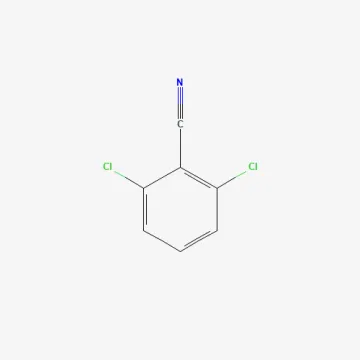
Dichlobenil
Description
Mode of action
Dichlobenil belongs to the chemical class of nitriles. It is a highly effective pre-emergence and early post-emergence herbicide that acts by inhibiting the biosynthesis of cellulose in plant cells.
The substance is absorbed through the root system and young shoots of weeds. Once inside the plant, it disrupts cell division processes in meristematic tissues, leading to the cessation of growth and subsequent plant death.
The chemical is characterized by high persistence in the soil, forming a protective barrier. This property allows for the long-term control of seed germination and weed root development.
A key feature of dichlobenil is its ability to suppress weeds before they emerge from the soil or at the very early stages of germination, making it indispensable for pre-emergence control strategies.
Due to its ability to penetrate deep into the soil and affect rhizomes, it is highly effective against perennial rhizomatous weeds that are otherwise difficult to manage with contact-only herbicides.
What it targets
This substance is used to control a wide spectrum of annual and perennial grasses and broad-leaved weeds. Dichlobenil demonstrates particular efficacy against persistent species such as quackgrass, horsetail, mugwort, and various types of thistle.
The product is successfully employed in horticulture, nurseries, and forestry. It is applied in plantings of berry bushes, fruit trees, and ornamental areas where long-term weed control is required.
In specific conditions, dichlobenil is used for aquatic weed control in ponds and for maintaining cleanliness on industrial sites, railway tracks, and non-crop areas where vegetation control is necessary.
The primary targets are species with well-developed root systems, as the systemic mode of action allows the chemical to destroy the plant from within, preventing regrowth from dormant buds.
The efficacy against specific species may vary depending on soil type, organic matter content, and moisture levels, which must be considered when planning herbicide applications.
Rates and timing
Dichlobenil application rates are strictly regulated based on soil type and the crop being grown. Heavier soils rich in organic matter require higher dosages because the substance binds to soil particles, reducing its bioavailability.
The optimal time for application is early spring, before the start of active sap flow in cultivated plants, or in autumn after harvest to suppress weeds during their dormancy period.
Uniform distribution of the product over the soil surface is essential. After application, light incorporation into the soil or irrigation is recommended to activate the active ingredient and move it into the root zone.
Exceeding recommended rates can lead to phytotoxicity in crops; therefore, the use of specialized, calibrated equipment is a mandatory requirement for precision agriculture.
The intervals between applications should be at least one growing season to avoid excessive accumulation of active ingredients in the soil profile and to comply with crop rotation sustainability standards.
Restrictions
Dichlobenil is potentially hazardous to the aquatic environment; therefore, its use near water bodies is strictly prohibited without adhering to mandatory buffer zones and measures to prevent runoff from the treated area.
When handling the product, personnel must use appropriate personal protective equipment: respirators, safety goggles, gloves, and protective clothing to prevent skin and mucosal contact.
The long-term persistence of the substance in the soil requires careful selection of follow-up crops. Some sensitive plant species may be damaged if planted in soil previously treated with dichlobenil.
Applications must not be performed in windy conditions to prevent drift of the herbicide onto adjacent crops, orchards, or non-target areas.
Storage must be in the original packaging, in cool, dry, and secure facilities inaccessible to children and animals, following all local fire safety and chemical handling regulations.
Status in the European Union
Not approved in the EU
- CAS number
- 1194-65-6
- Category (EU)
- HB - Herbicide
EU status is for reference only and does not replace national registration in your country.