

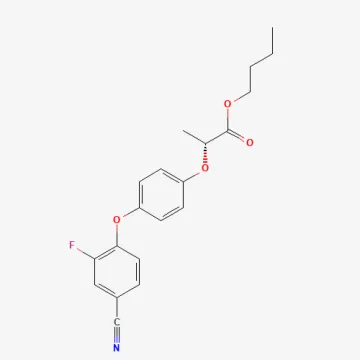
Description
Mode of action
Cyhalofop-butyl belongs to the chemical class of aryloxyphenoxypropionates. It is a systemic herbicide with high selectivity, which allows it to be used effectively in various agricultural crops without damaging the plants.
The substance is absorbed primarily through the leaf surface of weeds within a few hours after application. After penetration, the active component moves rapidly through the phloem to the growth points where its specific impact begins.
The mechanism of action is based on the inhibition of the acetyl-CoA carboxylase (ACCase) enzyme. This leads to the blockage of lipid synthesis, which ultimately stops cell division and causes the death of the weed's meristematic tissues.
Visual signs of weed suppression appear as chlorosis and necrosis of growth points a few days after application. Complete death of sensitive species usually occurs within 1–3 weeks, depending on the temperature.
The product is highly resistant to being washed off by rain, as it penetrates plant tissues quickly. It has no significant impact on crops that are tolerant to this class of compounds due to rapid metabolic breakdown of the active ingredient.
What it targets
This active ingredient is highly specialized and is used primarily for the control of annual grass weeds. The main target of application is rice fields, where it shows high efficiency against hard-to-kill species.
The spectrum of controlled weeds includes such dangerous species for rice as:
- Echinochloa crus-galli (barnyard grass)
- Rice weeds
- Various species of Setaria (foxtail)
The herbicide works effectively against grass weeds at different stages of their development, but maximum biological activity is achieved when applied at the 2 to 5-leaf stage of the weeds.
The product does not act on broad-leaved weeds or sedges, which is why it is often combined in tank mixes with other pesticides to expand the spectrum of controlled objects.
Proper timing of application allows for the complete cleaning of the field from grassy vegetation without causing harm to the main crop, which possesses natural tolerance to this substance.
Rates and timing
Application rates depend on the density of weed infestation, the growth stage of the weeds, and weather conditions. Usually, dosages are applied to ensure complete coverage of the leaf surface for optimal penetration.
When planning application, it is important to consider the temperature regime: the product works best at stable positive temperatures that stimulate active weed growth.
The optimal time for application is considered to be the period of intensive growth of grass weeds. Spraying is not recommended during droughts, as this reduces the systemic activity of the herbicide.
The working solution is prepared immediately before application. It is important to ensure uniform distribution of the product across the field to achieve consistent concentration in all areas of the crop.
After applying the product, it is recommended to maintain a specific water level in the paddies, if provided for by the regulations for a specific formulation, to ensure maximum herbicidal activity.
Restrictions
When working with cyhalofop-butyl, it is necessary to strictly follow personal protective measures, using protective clothing, gloves, and safety glasses. Avoid inhaling the aerosol during spraying.
It is forbidden to carry out applications near fish-breeding water bodies, as the substance may be toxic to aquatic organisms. Compliance with sanitary zones around fields is required.
Drift of the working solution to neighboring crops that are sensitive is not allowed. Preparation of the mixture must be carried out in specially designated areas following environmental safety rules.
Store the product in its original packaging in a cool, dry place out of reach of children and animals. Used containers must be disposed of in accordance with regional environmental regulations.
Before application, always read the label and manufacturer's recommendations, as rates and restrictions may vary depending on the formulation and regional standards.
Regulatory
Status in the European Union
Approved in the EU
- CAS number
- 122008-85-9
- Approved from
- 01.07.2017
- Approval until
- 30.06.2032
- ADI
- 0.003 mg/kg bw/day
- ARfD
- 0.4 mg/kg bw
- AOEL
- 0.013 mg/kg bw/day
EU legislation
EU status is for reference only and does not replace national registration in your country.
Content graph
Connections · Cyhalofop-butyl
Most often together:
Marketplace
